Interior designing Tools Glossary

Interior designing tools

Find the right tool to complete your home project with our comprehensive tool glossary.

This tool bag is filled with tools, easy to carry, and helps its owner keep all related items in an easy-to-access place.

A

adjustable bevel square

Use this square to transfer any angle accurately.

aluminum bench level

A mechanic’s bench level that is extremely stable and lightweight.

aluminum file

Addresses the problem that ordinary files pose when used on soft aluminum, which is clogging. The scalloped-tooth pattern cuts cleanly and leaves a fine finish.

angle driver

A unique tool that simplifies work in corners and at awkward angles. It holds a driver bit at a 60-degree angle to the bladed. Turning the handle rotates the bit. Bits are stored in the handle.

angle grinder

A tool found mainly in metal and auto-body shops, it is useful to woodworkers and do-it-yourselfers, as well. Does well cleaning up pitted or rusted metal surfaces. Can smooth out welded seams and, when properly equipped, cut metal. Ideal at metal finishing.

angle meter

A versatile tool used to measure any angle easily, including level and plumb. Features an easy-to-read dial.

automatic center punch

Allows one-handed operation by pressing down on the tool and a spring-loaded mechanism strikes a blow. More precise than using a hammer and punch.

awl (also scratch awl)

Ideal (and necessary) for all types of precision layout work and general scribing.

B

back saw

Perfect for the fine, accurate cut. Includes the dovetail and tenon saw. Distinguished (from other hand saws) by a stiff length of brass or steel set over the top edge of the saw blade, providing support for the blade and preventing the blade to twist or flex.

ball peen hammer

Featuring a hardened head, it’s used for striking cold chisels and punches for general metalwork. The ball peen was originally used to mushroom rivet heads. Sizes 8 to 32 oz.

band clamp

For clamping round, oval and odd-shaped pieces. Features a nylon band and ratchet mechanism. The clamp is tightened by turning a handle. Can be adapted into a multi-angle (or corner) clamp by adding corner blocks, with the nylon band running through the blocks and final pressure added by the handle. Ideal for frames and objects with corners.

band saw

The more versatile of the curve-cutting saws, the thin blade allows work to be maneuvered easily and accurately along a winding line of cut as well as in and out of tight corners. Able to make straight cuts such as rip, crosscut and miter and possibly bevel and compound miter (with a tilting worktable). Also excellent for re-sawing boards.

bar clamps

Suited for jobs that require strong clamping pressure. Permits two-handed tightening. Available in ranging capacities. Ideal for joining boards to make wider panels.

belt sander

Reach for this tool when you want to save some elbow grease from a hand plane. Powerful and able to remove stock aggressively, this tool is fitted with a coarse abrasive belt that can grind down door edges and trim uneven frames. Comes in a range of sizes.

bench grinder

Critical for a complete workshop, a grinder can buff, clean, polish, sharpen and remove rust, among many uses.

bench level

Designed primarily for machinists, it’s a highly accurate level used for all types of precision work.

bevel-edge chisel

For use in fine cabinetry work; features a chrome-vanadium steel blade and double-hooped boxwood handle. Boxwood is considered to be the best wood for tool handles because of strength and shock-absorbing qualities.

bevel-edge square

Useful when extreme accuracy is required to determine 90-degree angles.

bevel protractor

Read, transfer and mark angles quickly and accurately with this tool.

block plane

Designed for trimming end grain. Also used for smoothing small wood pieces and for edge-planing plywood, particleboard and plastic laminate.

bow saw

Ideal for pruning, landscaping work and sawing firewood. Tubular steel frame with blade-tensioning lever that snaps closed to form a handle.

brick mason’s hammer

Indispensable masonry tool; designed exclusively for setting and splitting bricks, masonry tile and concrete block. Forged-steel head with a square striking face opposite a flat, sharp cutting edge. Should never strike metal, including a brick set or stone chisel.

brick saw

Used in sawing bricks. Features coarse-cutting blade that cuts on both the push and pull strokes.

C

c-clamps (including a bench vise)

Similar to the vise grip but offers a wider opening. Holds objects in place while sawing or joining. Feature clamp pads that protect the surface and allow for gripping tapered pieces. Ideal for laminating or veneering.

cabinet rasp

The quickest way to remove woodworking stock is with this. Has a round and flat face.

cabinet scraper

Available in three basic shapes: rectangular, straight with concave and convex ends, and gooseneck. Works by cutting, not abrading, the wood. Excellent at smoothing wood. Sharpened by burnishers.

cabinetmaker’s screwdriver

Features a turned oval beech handle and a blade designed for wood screws. Part of the blade is flattened to handle a wrench if more torque is needed.

calipers (outside and inside)

These two tools are designed for accurately transferring and measuring outside and inside dimensions. Invaluable to woodturners. The bowlegged caliper is used to measure outside dimensions, with the straight-legged caliper measure inside.

cam-action clamps

Light and medium duty, as well as veneering, clamping. Cork faces won’t mar delicate work. The cam works as a lever to apply varying degrees of pressure.

circular saw

A voracious tool, the portable circular saw is critical to any building or framing project because it can cut lumber quickly, with power and with accuracy.

chalk line

Useful for marking a straight line, this tool features a line that is reeled out from a chalk-filled canister, hooked at one end of the intended cut line, tensioned and snapped.

chisel plane

Excellent for removing glue and trimming work. Features a blade that extends in advance of the body, so the plane can be used to reach the farthest corner of a joint to get it clean.

claw hammer

Finish carpentry and light-duty nailing jobs. Features two sharp, beveled edges for gripping and drawing out stubborn nails.

clutch-head screwdriver

Features a distinctive bow-tie shaped head that drives screws featured in mobile homes, cars, boats, appliances and electric motors.

cold chisel

A stone-cutting tool that has an integral handle and blade made of steel. The handle is struck by a hammer to cut material. It can cut sheet metal, remove rivets, bolts, nails or cut away ceramic tiles adhered to a surface.

combination hand vise

Indispensable for holding all types of small parts securely; can be fitted on a handle or on a clamplike mechanism to secure it to a work surface.

combination square

A valuable tool, equipped with a six inch long steel rule for marking 90-degree and 45-degree angles.

compass saw

Similar to a coping saw, but more heavy duty. A thin blade set into a pistol-grip handle, it quickly cuts curves, circles and cutouts in wood, plywood and wallboard. Useful for cutting access holes when installing pipes and electrical boxes. A smaller version is the keyhole saw.

compound miter saw

A miter box and hand saw used in conjunction to make compound-angle (45 and 90-degree) miter cuts. Also can be used with a measuring accessory for cutting frames. Basically a chop saw with a tilt mechanism added to the pivoting head. Miters are set by rotating the tool?s turntable and the head is tilted for bevel cuts. A great choice for working with moldings and trim. A sliding version has the in-and-out capability of a radial-arm saw that enables it to make most any kind of cut.

construction chisel

Designed for rough carpentry, framing and construction. Made of a single piece of hand-forged alloy steel.

coping saw

Has a narrow metal frame which supports a thin blade held in place with a hook, loop or pin on each end of the blade. Can be rotated in the frame to make intricate curved cuts. Makes a finer cut than a compass saw.

corded drill

Maybe the most popular power tool ever, the corded drill is a true jack-of-all-trades. Bore holes in a range of materials, drive screws and nuts, brush away paint and rust, sand edges and stir paint – these are just a few of the tasks this tool can accomplish.

cordless drill

All the benefits of a corded drill, but without a tether. Allows you to work on top of a ladder, on damp ground and without the tangles of a cord. The tradeoff is that a cordless may not be able to handle more rugged work or have quite the power of a corded.

corner chisel

Used for cutting clean, sharp inside corners. Perfect for the serious woodworker and tool collector.

cranked-neck rasp

Ideal for carefully shaping flat or slightly concave surfaces and is especially useful in woodcarving.

crosscut saw

Hand saw used to cut across the grain (the width of the material).

crutch-pattern screwdriver

The large, flattened-oval handle of this screwdriver allows you to deliver tremendous torque to stubborn screws, especially in tight corners.

curved-tooth file

Widely used in auto-body work and on aluminum and sheet metal, it features deeply cut, curved teeth for fast cutting and reduced clogging of soft material.

D

dead-blow hammer

Strikes blows without damaging the work’s surface. The tool’s hollow head is partially filled with small metal shot, which reduces rebounding.

detailing file

Basically a half-round combination file, this tool is handy for working small flats, rounds and hollows. Ends are tapered for work in confined spaces.

digital protractor

Four tools in one, featuring an anglefinder, compound cut calculator, protractor and level.

dog-leg chisel

Skewed blades are ideal for trimming joint work in furniture making and for undercutting.

double square

This unique tool is designed for checking squareness of a board’s edge after planing and jointing. Fits easily in a work apron pocket.

dovetail saw

The most important of the back saws (and one of the smallest). Almost entirely dedicated to one function: cutting dovetails, where a clean and accurate saw cut is the hallmark of fine work. Have three handle designs: closed, pistol-grip and a turned spindle-like handle.

dovetail square

Lays out and marks dovetail joints with consistent accuracy.

drill press

Extremely versatile tool for hole boring, the drill press bores a variety of holes accurately and easily. It can also sand, rout, polish, saw, shape, grind, sharpen and mortise. Used in both metalworking and woodworking.

drywall hammer

Designed for installing drywall, this hammer has a milled striking face opposite a hatchet blade. Use the hatchet blade to score the drywall to permit snapping it along the scored line of cut.

E

electronic level

This tool makes use of blinking lights and a beeping signal to indicate level, plumb, pre-selected and unknown angles.

English bow saw

Curves and straight lines can be cut accurately with a bow saw. The blade can be rotated 360-degrees to a convenient working position. Historically used to cut chair legs, arm and arches.

F

firmer chisel

Designed for heavy-duty work such as timber framing. The heavy blade can keep the chisels from flexing under heavy work loads or from mallet blows. Ideal for cutting and fitting joints in hardwoods, paring and fitting.

flooring chisel (also electrician’s chisel)

All-steel tool used primarily for ripping up old wood strip flooring. Used to notch house framing for installing cable and electrical boxes.

four-in-hand file

If you only own one file, this should be it. Has both round and flat surfaces and each side of the file has a double-cut and rasp-cut end.

frame clamp

Uses corner blocks and long-threaded rods with sliding speed nuts to assemble square, rectangular and other oddly-shaped work pieces. Ideal for frames and objects with corners.

framing hammer

For use by house framers. Features an extra-long handle, ripping claw and checkerboard face that reduces glancing blows and flying nails.

fret saw

And adjustable frame can hold blades up to six inches, which allows you to use broken blades. Similar to a coping saw but with a deeper “throat” which allows it a deeper reach to cut further away from the edge of the work. Great for fine, detailed work.

G

graduated straightedge

Indispensable for scribing perfectly straight lines and checking the flatness of a surface.

H

hacksaw

Cuts metal quickly and smoothly. Proper amount of tension prevents flexing during the cut. The handle provides knuckle protection.

half-round file

Bastard-cut file that is double cut for fast stock removal and one face is round for working concave shapes. Classified as a machinist’s file, it’s also useful for fine trimming in wood.

hammer drill –

Specially designed to both rotate the bit and apply a pulsing pressure that breaks through masonry neatly, faster and easier than a rotary-action alone. Intended for concrete and other masonry work.

hand saw (also panel saw)

The most common and recognizable of all handsaws. Has a wide, tapering blade with teeth cut along one edge and a handle riveted to the wide end. Two basic types: crosscut and rip. Most effectively used to cut large, wide or thick pieces of wood.

hand screws

Traditional woodworking clamps, hand screws feature solid maple jaws and dual handles that allow for tremendous pressure. Can be set parallel or at angles. Ideal for complex work with no parallel sides.

heavy-duty drill

Perfect for propelling large multispur bits, Forstner bits and hole saws. Necessary for tasks such as boring fist-sized holes.

hook chisel

Features a harpoon-like tip for light finishing cuts on delicate pieces and hard-to-reach areas.

I

insulated screwdriver

Designed for use by electricians, the blade is covered in plastic sheathing with only the tip exposed. Only a protective measure because it should never be used as protection against a flow of electricity.

J

jack plane

All-purpose and most useful of all bench planes. Used to smooth rough boards and flatten uneven surfaces.

Japanese panel saw

Although it looks like a standard Western hand saw, actually a Japanese tool. The unique tooth design helps reduce friction at the beginning of the cutting stroke while increasing the cutting action throughout the stroke.

joint-maker’s square

Slightly smaller than a standard miter square, this square is especially helpful for furniture builders and model makers.

K

keyhole saw

A small saw with a short, narrow blade and a tight turning radius. Smaller than a compass saw, it can also cut light metal.

keyway rasp

A combination rasp for shaping wood.

knife file

Used by tool and die makers, it is excellent for tight, acute angles.

L

laser plumb bob

Improves on one of the world?s oldest tools by emitting a laser light that indicates exactly where to mark, with no guesswork involved.

log saw

Designed for crosscutting logs and large timbers, it comes with 15 sets of three teeth. The teeth are separated by deep gullets that remove sawdust quickly. Cuts on both the push and pull stroke.

long tape (fiberglass)

Measures extended distances accurately. Tape is made of tough fiberglass that resists stretching and won’t rust, kink or conduct electricity.

M

machinist’s vise

Designed to be bolted to a worktop. Able to swivel on its base. Useful for holding metal pieces and provides an anvil surface for striking metal.

magnetic bevel finder

A pocket-sized tool that is actually four tools in one: a level, protractor, square and pitch gauge. Excellent for measuring and transferring angles, as well.

magnetic-tip screwdriver

Enables you to carry one screwdriver instead of four or five by storing five bits in the handle. The shaft is fitted with a magnet that allows the bits to hold steel screws securely.

marking gauge

Used to lay out wood joint lines-of-cut. Designed for marking with the wood grain, it scribes a very fine, precise line more accurate than a pencil line.

mill file

The most common single-cut file. Used for sharpening circular saw blades, draw-filing, lathe work and anywhere else a smooth finish is required.

miter saw (also chop saw)

The power alternative to the miter box, miter saws are great for basic crosscuts for lumber and trim. Although not capable of beveled or compound-angle cuts, they are simpler to use, durable and less expensive than compound or sliding compound miter saws.

miter square

Designed exclusively for laying out and marking precise 45-degree angles. An oversized blade accommodates large workpieces.

mortise chisel

Has a straight, non-beveled edge, unlike a standard chisel. Designed to take a heavy pounding and prying.

N

nail-holding hammer

A magnet set into the head grips an iron or steel nail. One sharp strike starts the nail.

nail puller

Has a V-notch, which slips under the nail head and a long handle to provide extra leverage to pull up a nail.

nail sets

For use when a nail head is to be sunk below the work surface. Tips can vary: point, flat or a cup, which permits firm location on the nailhead. Cushioned grip versions can protect your hands, allowing you to concentrate on the work and not your knuckles.

narrow-belt sander

A good sander for narrow spaces and tight spots. Easy to maneuver, but doesn’t do well on wide surfaces.

needle rasps

Tiny rasps ideal for model-making or detailed carving and fitting. Come in varied shapes: rectangular, tapered, triangular, round, half-round and square. For metalwork, needle files are available.

nest of saws

Great for homeowners, this tool is actually four saws in one. The tool comes with three interchangeable blades to handle cutting jobs around the home and yard. Features a hardwood pistol-grip handle. Quick-change wingnut and bolt hold the steel blades in place.

ninety-degree corner clamp

For accurate 90-degree joints, allows for gluing and nailing while the pieces are secure. Can be screwed to a bench top.

O

orbital sander

Great for finishing work, the square pad can sand inside corners. Should be used with care, because swirl marks can show up when sanding dense hardwoods. Accepts sheet sandpaper.

P

paring chisel

The design allows you to make light finishing cuts with the blade flat on the stock, even when working in the middle of a wide board.

patternmaker’s rasp

Like regular rasps that have individual teeth for fast cutting, these tools also are staggered and smaller to give a finer finished surface in wood. Also have cut edges for working in corners.

pincer

Essentially a large nail puller and cutter, a pincer is designed for removing brads and small nails. Can pull nails like a claw hammer.

pinch dogs

Perfect for edge gluing, they pull joints tightly without the need for clamping. The dog is hammered into the butt ends of the work.

pipe clamp fixtures

Long reaching fixtures attached to a pipe, that, once positioned, are tightened by turning a handle. Only pipe length limits capacity. Ideal for joining boards to make wider panels.

plastic-tipped hammer

A steel-core hammer that features two replaceable plastic faces—one hard, one soft. The hammer can strike various materials without marring, including wood, metals, plastic and stone.

plate joiner

A tool designed to quickly and accurately cut matching slots in pieces that are to be joined with a small carbide-tipped blade.

pneumatic nailer

Framing: Perfect for frame construction. The most powerful of the air-powered fasteners, it can drive nails up to 3-1/2-inches long. Pin: Used for attaching trim, carpet strips and moldings. Finish: Useful for installing siding, flooring, door and window casing and most types of finish carpentry.

pneumatic stapler

Can drive crown-style staples up to 1/2-inch wide and two inches long. Smaller models are great for installing carpeting, roofing felt, floor underlayment and insulation.

pruning saw

Excellent for trimming trees and bushes, the curved blade folds back into the curved hardwood handle for convenience.

pry bar

Has a curved blade to fit behind molding or between two sections of an object that are to be separated. The long handle provides leverage to pry the sections apart.

Q

quick-action clamps

A workshop favorite designed for easy operation, the lower jaw slides easily on a bar and locks securely in position under the slightest pressure.

R

rabbet plane

Has a wide blade which is ideal for trimming narrow dadoes and rabbets.

random-orbit sander

This tool spins like a disc sander but moves in a circular orbit, like an orbital sander. This action chews through wood grain but doesn’t leave cross-grain scratches. Can sand in any direction.

reciprocating saw

An indispensable tool for contractors and remodelers, the “recip” saw will chew through most any cutting task. Ideal for demolition tasks, such as wall removal. Can cut through wood, metal or plastics easily. Great at cutting rough openings, cutouts for plumbing and heating ducts and can even prune tree branches.

right-angle drill

Allows you to reach around a corner or into a confined space to bore holes or drive screws. Great for smaller jobs such as drilling pilot holes or driving screws inside a cabinet.

rip hammer (fiberglass, wood and solid steel)

Great for rough carpentry work, this 22-oz. hammer has a straight ripping claw. Many workers prefer fiberglass-handled tools because they are virtually unbreakable and more shock-absorbent.

rifflers

Tools for shaping and smoothing details that other files can’t handle. One end is fine, the other end is coarse.

rip saw

Hand saw used to cut along the grain (the length of the material).

router

Portable power tool that, when fitted with one of a myriad of bits, can do such things as cutting cabinet joints (dado, rabbet, etc.), trim plastic laminate, shape decorative edges, mill moldings and carve signs and plaques.

round file

Standard file for cleaning up or enlarging holes and shaping tight internal curves. Works on metal or wood.

rubber and plastic mallets

Use these mallets to strike blows without damaging the surface. Useful for assembling furniture parts, setting dowel pins, metalwork, etc.

S

sabre saw

If you need the ability to follow curved or straight lines, cut metal (as well as plastic, brick, etc. with the right blade) or enclosed holes, reach for this tool. A popular tool, the unique design provides relatively-safe cutting.

scroll saw (or jigsaw)

Freehand curve-cutting machine (along with the band saw) with fine-tooth blades that can cut intricate patterns and smooth edges in thinner stock. Operates with little vibration, quick blade changes and easy-to-operate clamps. Is stationary, as opposed to a sabre saw, which is portable.

sharpening stones

Blocks of natural or artificial stones that have been dressed or smoothed. Used with an oil or water lubricant to sharpen blades of woodworking tools such as chisels and planes. Most are rectangular in shape and come in many grades, from coarse to fine.

sliding bevel square (or T-bevel)

Indispensable for marking, transferring and checking angles. Helpful when marking odd angles and dovetail joints and when cutting a board to fit an existing angle.

smooth plane

Designed for general-purpose planing; often used after the jack plane for final polishing.

speed square

One of the most popular and versatile carpenter’s layout tools available, combining the best features of a framing, try and miter square with the angle finding capability of a protractor. Use for all framing layout work including wall and roof construction and stairway building.

spiral-cut chain saw file

Featuring a special spiral-cut pattern, this file cuts faster than standard, round chain saw files.

spiral-ratchet screwdriver

A spring-loaded shaft turns the driver bit, driving screws quickly and easily.

spring clamp

Ideal for holding mitered corners, each jaw has tiny teeth that grip and hold angled work pieces, irregular moldings and tough-to-clamp joints. The “paperclip” of the workshop, ideal for small work and light pressure.

square file

When needing to make a round hole square, this is the tool. The long, tapered profile makes it useful for cleaning up right-angle shapes such as slots and keyways.

square-recess screwdriver

A square-tipped tool drives square-recessed fasteners in items like recreational vehicles, boats, mobile homes, hobby equipment and furniture hardware.

squeeze clamps

Light duty clamps applied with one hand with an automatic advancing squeeze handle.

steel straightedge

Worth the price and a staple of most workshops. Etched gradations provide better accuracy. A T-Square is formed by adding a head to this tool.

studfinder

The essential tool for locating wall studs. Crucial when hanging heavy objects.

super shear file

Designed for work on softer metals, iron, annealed steel, plastic and hardwood. Has an offset circular tooth that cuts both fast and smooth.

surform tools

Versatility and speed make these tools the good choice for shaping wood, body filler, fiberglass, aluminum and other soft materials. The round Surform is ideal for roughing out tight curves and shaping holes.

swan-neck mortise chisel

This unusual-looking tool is extremely helpful in smoothing out the bottom of mortises. The curved blade is used like a lever to scrape the mortise bottom flat.

T

tack hammer

Perfect for driving small brads and tacks. Has a magnetized head that holds the tack for one-hand starting. Goes easier on the thumb and forefinger.

tenon saw

Fine-toothed hand saw used to cut tenons and other wood joints accurately. Similar to a back saw, but shorter to offer greater control.

three-way edging clamp

Used to apply and repair moldings, decorative trim and edging. C-clamp design with a third screw that applies right angle pressure to the edge.

torpedo level

No tool box is complete without one. Back-pocket size makes it ideal for work in restricted areas.

trammel points

Allows you to scribe a large diameter circle or arc, or transfer measurements that are too great for dividers.

two-handed screwdriver

Features a unique double-grip handle that allows you to apply extra high torque. Can work in deep holes and narrow spaces.

U

universal clamps

Designed for cabinet framework, these clamps can be secured to the edge of a work to hold two pieces together. Ideal for holding drawer supports, shelves and butt joints.

upholsterer’s hammer

The magnetic face of the hammer makes it easy to start upholstery tacks and small nails. Also called a tack hammer.

V

vise-grip hold-down clamp

Squeezes objects together to promote bonding.

violin plane

Small plane used for precision finishing and decorative work.

W

warding file

Designed for shaping and trimming notches in locks and keys. Double cut on the faces and single cut on the edges. The tapered profile makes it useful in situations where an ordinary file won’t fit.

Warrington hammer

The woodworker’s choice of hammers, it has a cross-peen which enables you to start small nails and brads, then finish hammering with the opposite end.

wet saw

If the job is cutting several bricks, pavers or tiles, this tool uses water to keep the blade and brick cool as well as decrease dust and flying debris.

wood (lignostone) mallet

Use this mallet for striking wood and plastic-handled chisels and gouges, for installing dowel pins and assembling wooden parts. Have tremendous resistance to cracking.

woodworker’s vise

Indispensable for the workshop. A solid investment for a workbench. Has smooth jaws designed to not damage wood.

X, Y, Z

zigzag folding rule

Classic woodworking rule that is better for measuring longer runs.

Get More Information About Interior designing tools And For More Details Visit Propertythane.com Or Email Us On info@propertythane.com

10 Inspiring Ideas for Decorating Kids’ Rooms

Ideas for decorating your home

Designing a child’s room is a delightful and creative endeavor. It’s a space where imagination runs wild and little ones can express their personality. Whether you’re starting from scratch or looking to spruce up your child’s existing space, these ten decorating ideas will surely inspire you. From practical organization solutions to whimsical accents, let’s explore how to create a dreamy and functional room that your child will love.

1. Make Everything Accessible

To promote organization and independence, it’s crucial to keep items within your child’s reach. Opt for closet storage systems, benches, and coat racks that are at their height. Consider incorporating bins or baskets for easy toy and item storage. By making everything accessible, you empower your child to take responsibility for their space.

2. Illuminate the Night with a Glow-in-the-Dark Ceiling

Transform your child’s ceiling into a mesmerizing night sky by using glow-in-the-dark paint. Paint stars and a moon to create a celestial atmosphere. Alternatively, you can paint a cityscape around the room’s edges, inspiring your child’s imagination as they drift off to sleep. This magical touch will make turning off the lights an exciting adventure every night.

3. Create an Interactive Art Center

Unleash your child’s creativity by dedicating a wall as a continuous art center. Use chalkboard paint in a color of their choice to turn a section of the wall into a chalkboard. This provides a perfect canvas for doodling, drawing, and showcasing their artistic talents. With a simple wipe, they can start anew, exploring their creativity endlessly.

4. Embrace Removable Wall Decals

Temporary wall decals offer a versatile and affordable way to decorate your child’s room. They come in a wide range of patterns and styles, allowing your child to personalize their space without the worry of leaving permanent marks. These removable “wall tattoos” are easy to apply and remove, making it a hassle-free solution for ever-changing tastes.

5. Showcase Collections Creatively

Children are natural collectors, so why not make displaying their treasures a part of the room’s decor? Move beyond traditional corkboards and explore alternative methods. Hang pictures and postcards from strings in front of a window, creating a whimsical display. Alternatively, use clips to attach them along a string, forming an interactive border around the room.

6. Incorporate a Magnetic Display Board

Give your child a designated area to showcase their artwork, achievements, and mementos. Utilize galvanized metal sheets, which are affordable and readily available at home improvement stores. Mount the metal sheet on the wall to create an instant magnetic board. This versatile display area allows your child to curate their own gallery of creativity.

7. Explore Peel-and-Stick Cork

For additional pin-up space, consider peel-and-stick cork sheets. Available at art and craft stores, these adhesive cork sheets can be cut into any shape and easily applied to any wall. It’s a fun and functional way to create a pinboard without the need for traditional bulletin boards. For a unique touch, try using pumpkin carving stencils, a transparency sheet, and a projector to create intricate designs, as showcased in HGTV Magazine.

8. Track Growth with Handprints

Move beyond the traditional growth chart and create a border around the room to mark your child’s growth. Every month, use non-toxic, water-based paint to stamp your child’s handprint along the border. This interactive and personal touch allows you to witness their growth while creating a sentimental keepsake that both of you can cherish.

9. Incorporate Various Lighting Options

A well-lit room is essential for a child’s activities and overall well-being. Ensure that the room has ample general lighting while also providing specific task lighting for reading and other activities. A bedside lamp or a wall-mounted reading light near their favorite reading nook will not only encourage reading but also serve as a comforting night light, aiding their nocturnal adventures to the bathroom.

10. Let Your Child Be Part of the Design Process

Make decorating their room a memorable experience by involving your child in the process. If you’re repainting a dresser or other furniture piece, invite them to help. They can even leave their personal mark by adding their handprints or fingerprints, creating a charming polka-dot design. This collaborative approach fosters their creativity, ownership, and pride in their space.

In conclusion, designing a child’s room is an opportunity to ignite their imagination and create a space that reflects their personality. By incorporating these ten decorating ideas, you can achieve a balance between functionality and creativity. From keeping things accessible to embracing interactive elements, each suggestion adds a unique touch to your child’s room. Let the process be a delightful journey for both you and your child as you bring their dream space to life.

Get More Information About Ideas for decorating your home| Property Thane And For More Details Visit Propertythane.com Or Email Us On info@propertythane.com
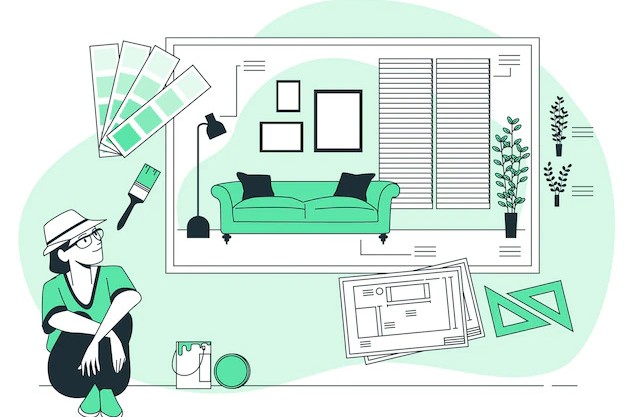
10 Tips for Beautiful and Economical House Renovation

Renovate your flat in thane from best interior designers

Renovating your house can be an exciting endeavor, especially when you want to enhance its beauty and comfort. Whether you consider it a business plan or a special project, approaching your home renovation with careful planning is essential. This article provides ten practical tips for renovating your house beautifully yet economically. By dividing your renovation plans into sub-plans and following these guidelines, you can effectively transform your home within a budget.

1. Divide and Conquer

Effective planning is the cornerstone of successful renovation. Whether you’re undertaking the renovation yourself or working with an architect, it’s crucial to focus on both the big picture and the smaller details. Take the time to brainstorm your requirements for each space in your house, set clear end goals, and define the overall objective. By breaking down your renovation project into manageable tasks, you can ensure a smoother and more organized process.

2. Budgeting

To renovate your house economically, it’s essential to determine your total expenditure limit. Be realistic in budgeting and avoid overestimating your financial resources. Underestimate your budget slightly to give yourself some leeway. This will allow you to research and allocate funds effectively for the necessary supplies and materials.

3. Research

Researching is key to discovering cost-effective options during your renovation. Explore the wide range of choices available to you, and you’ll be surprised at the affordable alternatives you can find. The beautiful lamp you saw at a high-end store may be available at a lower price elsewhere. Look for furniture, paints, and decorations online, at thrift stores, or in second-hand furniture shops. By investing time in research, you can save significantly without compromising on style or quality.

4. Doors Create the First Impression

Entrance door sets the tone for your entire house. If your current door is in good condition, consider repainting it instead of replacing it entirely. Repainting the door can refresh its appearance and give it a new lease on life. Additionally, the color of your doors can affect the lighting in your rooms. Interior designer Amy Lau suggests painting the ceiling, trim, and doors the same color but 50 percent lighter than the walls. This technique can optimize the lighting in your home and create a harmonious atmosphere.

5. Paint Affects Lighting

Painting is an impactful way to transform the ambiance of your house. Opting for a new paint color during your renovation can make a significant difference. If you’re on a tight budget, consider using a black and white palette. This classic combination lends a modern and sophisticated look to any space. By sticking to these timeless hues, you can ensure that your house always looks stylish and elegant.

6. Small Rooms don’t have to Look Small

If you’re renovating to make small rooms appear larger, mirrors are your best friends. Mirrors are an inexpensive yet effective way to create an illusion of space. Take inspiration from the renowned architect Sir John Soane, who utilized mirrors in the breakfast room of his London house. Strategically placing mirrors can enhance the sense of openness and brightness in your rooms without breaking the bank.

7. Kitchens and Storage

When renovating your house, decluttering and maximizing storage are likely to be priorities. To make the most of your kitchen space, consider utilizing it to its full potential. You can build DIY kitchen cabinets or storage using recycled materials found in your home. Another option is to explore thrift shops in your area for cost-effective storage solutions. By customizing your storage needs, you not only save money but also ensure that your kitchen is tailored to your specific requirements. If your existing cabinets are in good condition, a fresh coat of paint can breathe new life into them and make your kitchen look as good as new.

8. Light Comes through the Windows

The presence of natural light can greatly enhance the indoor living experience. During your renovation, consider installing large windows to allow ample sunlight into your home. However, if changing your windows exceeds your budget, you can still optimize natural light. Play with paint colors by choosing a shade lighter for your window frames compared to the rest of the room. This technique helps maximize the light streaming in through the windows, creating a bright and inviting atmosphere.

9. Bathroom Renovation

Renovating your bathroom doesn’t have to be expensive. Many high-quality and affordable products are available for transforming your bathroom’s look and functionality. If you wish to install new fixtures, consider options such as Toto Toilet. However, if you’re working within a limited budget, you can still revitalize your existing bathroom. Change the paint, update cabinet colors, and fix any issues with the shower’s water pressure. These small changes can make a significant impact without straining your finances.

10. Floor Renovation

Flooring renovations can be costly, but they don’t have to break the bank. If a complete flooring installation doesn’t fit your budget, focus on renovating other aspects of your house to complement the existing flooring. By coordinating your choices with the floor design, you can create a cohesive and aesthetically pleasing overall look.

In conclusion, renovating your house beautifully and economically requires thoughtful planning and resourcefulness. Set clear goals, create a realistic budget, and conduct thorough research to find cost-effective options. Whether it’s repainting doors, utilizing mirrors, optimizing natural light, or maximizing storage, implementing these tips will help you achieve a stunning transformation while staying within your budget. By approaching each aspect of your renovation with care, you can create a home that is both beautiful and affordable.

Get More Information About Renovate your flat in thane from best interior designers And For More Details Visit Propertythane.com Or Email Us On info@propertythane.com
5 Easy Home Improvement Tips to Enhance Your Space and Boost Appeal

Home interior design tips in thane

When it comes to transforming the look and feel of your home, you don’t need to break the bank or audition for a home renovation show. By implementing some budget-friendly and DIY-worthy home improvement tips, you can instantly increase the appeal and value of your property. In this blog, we will share our top 5 tips that can help you achieve a remarkable home renovation without spending a fortune.

Why Invest in Home Improvement?

Home improvement goes beyond aesthetics; it is also about enhancing functionality and creating a space that works better for you. Whether you’re considering a central air unit installation, door relocation, or upgrading your windows, investing in home improvement allows you to reinvest in your home and reap long-term benefits. As professionals dedicated to creating exceptional homes, it’s essential to ensure that the improvements you make are both budget-friendly and add significant value.

Get Creative with Paint:

Are you envious of the beautifully decorated homes with their captivating color palettes? Well, the secret to transforming the character of your home lies in a simple can of paint. Adding a fresh coat of paint can entirely revamp the ambiance and style of any room. You can explore modern color schemes online or personally visit the store to mix and match shades that resonate with your vision. The cost of paint is relatively low, with most gallons priced around $30. This is a stark contrast to the approximately $1,000 often spent on hiring professional painters.

Refresh Your Bathroom:

The bathroom holds significant importance in any home, and it can be a deciding factor for potential buyers. To enhance the appeal of your bathroom without undertaking a costly complete overhaul, consider refreshing a few key elements. Start by applying a new layer of grout and caulk around the bathtub, tiles, and sink for a clean and polished look. Additionally, updating finishes such as sink spouts, handles, lighting, and mirrors can create a modern and inviting atmosphere.

Add Color to Your Outdoor Spaces:

The exterior of your home is the first impression potential buyers will have, and it’s crucial to make it count. Sprucing up your outdoor spaces with vibrant flowers and plants can add instant curb appeal. Landscaping is an excellent way to enhance the beauty of your home, and you don’t have to spend a fortune. By taking on the task yourself, you can achieve a total transformation for under $100. Research flowers and plants that are native to your area and will attract bees and birds, creating a picturesque and eco-friendly environment.

Update and Enhance Your Finishes:

Upgrading and adding finishes throughout your home is a fantastic way to breathe new life into your living spaces. Consider replacing cabinet and door handles, faucets, and light fixtures to achieve a fresh and modern aesthetic. Opt for contemporary options like bronze, rose gold, mod matte black, or sleek steel finishes. Don’t forget about crown molding, which can add an elegant touch to any room. By acquiring materials from a home goods store and taking accurate measurements, you can make a significant difference in the overall appeal of your space.

Pay Attention to Filters:

One of the most practical home improvement tips is to regularly check and replace your filters. Ensuring clean air and water for future homeowners is essential. Replace air filters every 90 days, or every 60 days if there are pets in the house. Cleaning out your vents is another crucial step to reduce allergies and minimize dust accumulation. Remember to keep track of when to change your water filters as well. To elevate your space further, consider updating filter covers. Vent covers are now available in a wide range of colors, patterns, and finishes, allowing you to add charm to this often overlooked aspect of your home.

Conclusion:

By following these five easy home improvement tips, you can transform your space, enhance its appeal, and increase its value without breaking the bank. Whether you’re repainting rooms, refreshing your bathroom, adding color to your outdoor areas, updating finishes, or paying attention to filters, these budget-friendly and DIY-worthy projects can have a significant impact on your home’s overall look and feel. So, roll up your sleeves, unleash your creativity, and enjoy the satisfaction of creating a space that you and potential buyers will love.

Get More Information About Home interior design tips in thane And For More Details Visit Propertythane.com Or Email Us On info@propertythane.com
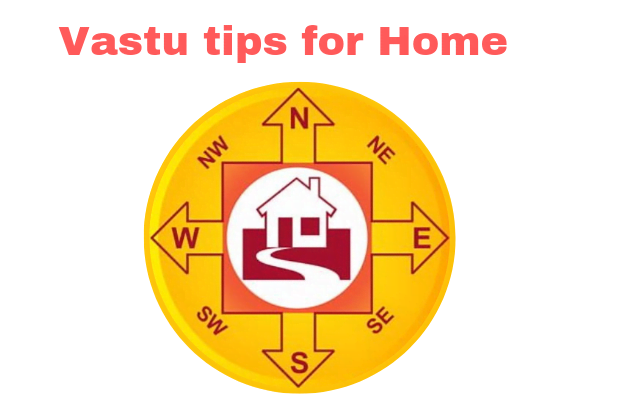
40 Vastu Shastra Tips for Home: Better Life, Prosperity & Harmony

Vastu tips for homes in Thane

Introduction

Vastu Shastra, an ancient Indian science of architecture, holds significant importance in our lives. While many of us have heard about Vastu Shastra, we may not fully comprehend its essence and why it plays a crucial role in our homes. Vastu Shastra, literally translated as the science of architecture, encompasses the principles of design, layout, measurement, ground preparation, space arrangement, and spatial geometry. In this blog, we will explore 40 Vastu Shastra tips for your home that can help improve your life and bring prosperity. By implementing these tips, you can create a harmonious and positive environment in your living space.

Importance of Vastu Shastra

Vastu Shastra teaches us that everything in the universe possesses energy, and each building or land has its unique vibration of energy associated with it. The universe consists of both positive and negative energies, and Vastu aims to eliminate negative energy while enhancing the positive energy flow. By aligning our living spaces with Vastu principles, we can create an atmosphere that fosters well-being, prosperity, and success.

Benefits of Following Vastu Shastra

Adhering to Vastu Shastra guidelines can bring about numerous benefits in various aspects of our lives. Let’s explore some of the advantages:

  • Financial Prosperity:
  • Career Stability:
  • Academic Growth:
  • Improving Relationships:
  • Physical and Mental Health:

Elements and Their Dominant Directions

Vastu Shastra recognizes five elements that constitute the universe: Earth, Air, Space, Fire, and Water. Each element has a dominant direction associated with it. Let’s explore these elements and their corresponding directions:

  • Earth (Prithvi):
  • Air (Vayu):
  • Space (Akasha):
  • Fire (Agni):
  • Water (Jal):

Vastu Tips for Financial Prosperity at Home

Creating an environment that attracts wealth and financial prosperity is a common goal for many. Here are some simple Vastu tips that can help you achieve this:

  • Keep the main door clean and well-decorated, as it serves as the entry point for positive energies associated with wealth.
  • Incorporate the color purple in your home, as it symbolizes wealth. If repainting the walls is not feasible, you can place a money plant in a purple pot as an alternative.
  • Position the cash locker or almirah in the South or South-West wall of your home, ensuring it opens towards the North.
  • Place a mirror in front of the cash locker to symbolize the doubling of your wealth.
  • Create a water feature, such as a small fountain or water garden, in the North-Eastern part of your house. This promotes the flow of constructive energy.
  • Repair any leaky faucets, taps, or faulty plumbing to prevent financial losses.
  • Install a bird feeder in the North-Western part of your house, as it is believed to attract financial abundance.
  • Maintain a clean and aerated aquarium in the North-Eastern part of your home. This helps purify the energy and supports good financial flow.
  • Ensure proper ventilation throughout your house. Placing wind chimes on entrances can enhance the flow of wealth.
  • Display a picture or idol of Goddess Lakshmi, the deity associated with wealth and prosperity, near the entrance of your home.
  • To ward off financial troubles, hang two flutes in your home. It is believed that flutes bring positive energy and remove obstacles in education and career.

Vastu Tips for Academic Growth

Creating an ideal study environment plays a crucial role in academic performance. Here are some Vastu tips to enhance concentration and learning:

  • Position the study table in the East or North direction of the room for better focus and concentration.
  • Leave space between the study table and the wall to allow for the smooth flow of energy.
  • Avoid locating the study room beneath a bathroom or beam, as this can disrupt the study environment.
  • Place the bookshelf in the East, North, or North-East direction of the room. Ensure that there are no book reflections in mirrors, as they can increase study pressure.
  • Install a well-lit lamp in the South-East corner of the study table to enhance the luck associated with education.

Vastu Tips for Good Health

Maintaining good health is vital for a happy and fulfilling life. Consider the following Vastu tips to promote well-being:

  • Sleep with your head towards the South direction for a restful sleep and overall well-being.
  • Keep the center of your house empty or minimally furnished to allow for the free flow of energy.
  • Balancing the fire element is essential to prevent sickness. Place fire elements, such as candles, diyas, or fireplaces, in the Southeast or Northwest direction of your home.
  • Avoid placing mirrors opposite the bed, as they can drain energy and lead to health issues.
  • Ensure that the energies of the bathroom and kitchen do not mix. If they are opposite each other, keep the doors closed.
  • Lighting a candle in the room of an unwell individual can aid in their recovery.
  • Drink water while facing the North-East or East direction for improved health.
  • Place citrus fruit plants near the entrance of your house, as they are believed to invite good health.
  • Position a picture or idol of Lord Hanuman, the deity associated with health and protection, facing the South direction of your home.

Vastu Tips for Improving Family Relationships

Healthy and harmonious relationships contribute to a joyful home environment. Consider the following Vastu tips to enhance family relationships:

  • Place pictures of your family members in the Northeast section of your home to foster happiness and unity.
  • If there is tension among family members, place a white sandalwood statue in a prominent location where it can be seen frequently. This helps alleviate tension and promotes harmony.
  • A sandalwood statue acts as a catalyst for harmonious relationships within the family.
  • In case of disputes among male family members, keep a small branch of the Kadamba tree at home to ease tension.
  • Avoid wearing red clothes simultaneously or on the same occasion if there is a dispute among female family members.
  • Refrain from displaying pictures depicting violence in your home, as they attract negative energy.
  • Hang a wind chime with crystals in the bedroom to minimize conflicts and promote a peaceful atmosphere between family members.

General Vastu Tips to Follow at Home

Apart from the specific tips mentioned above, here are some general Vastu tips to consider for your home:

  • Ensure that the corners of your house are well-lit, as they are powerful sources of energy.
  • Regularly clear cobwebs, as they can hinder the financial growth of family members.
  • Place a Tulsi plant in the North-East direction of your home, as it is believed to transform negative energy into positive energy.
  • Avoid keeping cacti inside the house, as they are considered negative plants that can affect the health and relationships of occupants.
  • Steer clear of spiral staircases, as they are believed to invite negative energy into the house.
  • To enhance job prospects, place a Lord Kubera Idol in the North direction of your home.
  • Position a Lord Ganesha idol facing the entrance of your home to invite optimistic results in various aspects of life.
  • Remove non-working clocks from your house, as they can symbolize stagnation and hinder progress.

Conclusion

Vastu Shastra offers valuable insights into creating a harmonious and positive living environment. By following these 40 Vastu Shastra tips, you can enhance various aspects of your life, including financial prosperity, academic growth, good health, and improved family relationships. Remember to approach Vastu Shastra as a guide and adapt it to suit your specific circumstances and preferences. Implementing these principles can contribute to a balanced and prosperous life. Embrace the wisdom of Vastu Shastra and create a space that nurtures your well-being and brings lasting happiness and prosperity.

Get More Information About Vastu tips for homes in Thane Visit Propertythane.com And Email Us On info@propertythane.com

Lucky plants for home to invite wealth and good luck

We list some lucky plants for home that home owners can grow, which, according to Vastu Shastra and Feng Shui are believed to bring harmony and prosperity

Good luck plants for home are crucial in channeling the natural flow of positive energy. Auspicious plants for home purify the environment by absorbing carbon dioxide and provide relief from stress. Corn plants or Fortune plant(dracaena fragrans) as it is commonly known are well-known indoor plants for good luck.

“Auspicious plants for home dispel the stagnant and stale energies from the home. They subconsciously connect us to the colour green, which has therapeutic qualities. According to Vastu Shastra, healthy growing plants and plants that bring money and good luck placed in the right directions, enhance the ability to attract abundance into one’s life and improve relationships,” says Nitien Parmar of Vastu Plus, Mumbai.

List of lucky plants for home

These are some of the best plants for home to bring good luck and prosperity.

Good luck plant 1: Tulsi

According to Vastu shastra, one of the most powerful, sacred and auspicious good luck plant that enhances positivity at home, is the Tulsi or holy basil.

“This shrub, which has great medicinal value, can purify the atmosphere and keep mosquitoes away. Tulsi can be grown at the front or the back of the house, in the balcony or windows, wherever it can be exposed regularly to sunlight,” says Parmar.

Good luck plant 2: Jade plant

Jade plant, with its small rounded leaf, is known to be a lucky plant. According to Feng Shui, the Jade plant is the epitome of good luck and favourable positive energy and hence, this good luck plants for home can be placed in the house or office. Jade symbolises growth and regeneration and the shape of the leaves of the lucky plant for home bear a resemblance to jade stones. However, avoid keeping the jade plant in the bathroom, experts suggest. Crassula ovata is the scientific name of Jade plant.

Good luck plant 3: Bamboo plant

The good luck plant- bamboo (Dracaena Sanderiana) from south-east Asia and both, Vastu and Feng Shui, associate it with good fortune and health. The number of stalks in the good luck plant has a big impact on the meaning of a particular lucky bamboo plant. For wealth, for instance, it should have five stalks; for good luck six; seven stalks for health and 21 stalks for health and great wealth. Bamboo good luck plants for home also act as air purifiers and remove pollutants from the surroundings. Preferably, keep the bamboo plant in the east corner.

Good luck plant 4: Money plant

Money plant (pothos) is known to bring wealth and good luck to the house and helps in overcoming financial obstacles. Money plants act as natural air purifiers, as they filter the toxins out of the air. These good luck plants requires very little maintenance. It is said that keeping a money plant at home can help to achieve success in both, personal and professional fields.

Good luck plant 5: Areca palm

Areca palm plants, according to Feng Shui, lead to health, peace and prosperity. These lucky plants for a home eliminates negative energy and attracts positivity. This leafy plant can be grown anywhere in the house, in indirect sunlight. These good luck plants for home has an ability to remove common pollutants from the air and also improves humidity.

Good luck plant# 6: Rubber plant

The rubber plants are lucky plants for home and represent wealth and fortune in Feng Shui, as its rounded leaves resemble coins. When placed in the home, these good luck plants are believed to provide abundance. Also, the rubber plant improves indoor air, as it is a natural air purifier.

The scientific name of rubber plant is Ficus elastica.

Good luck plant 7: Fortune plant- corn plant

Corn plants or Fortune plant(dracaena fragrans) as it is commonly known are well-known indoor plants for good luck. In some Asian countries, the corn plant is said to be a symbol of luck. If the plant blooms at home, it means one will receive wealth and fortune. Corn plants purify the air as they remove toxins from the air. Corn plants thrive in bright yet indirect light.

Good luck plant 8: Lavender

Lavender, known by its scientific name, Lavandula, is an aromatic plant with many therapeutic benefits. Since it has soothing properties, it is used in aromatherapy. Lavender flower and Lavender oil are used in making scent and medicines. It is among the lucky plants ideal to be kept in front of the house or any outdoor space.

Good luck plant 9: Eucalyptus

Eucalyptus, the scientific name of which is Eucalyptus globulus, is one of the plants that bring good luck. The leaves and oil of eucalyptus has medicinal properties. Keeping this plant at home will elevate the positive energies in the house.

Good luck plant 10: Snake Plant

Among other lucky plants which are good for home is the Snake plant. This auspicious plant is known to purify the environment by absorbing the toxins and reducing the allergens present in the air. This plant grows well in different conditions.

Sansevieria trifasciata is the scientific name of the Snake plant.

Good luck plant 11: Golden Pothos

Golden Pothos is a variety of money plant and it is considered to be a good luck plant. As per Feng Shui, it is among the auspicious plants for home that brings wealth. Moreover, it is also beneficial in minimising the negative energy and anxiety levels. You can grow these plants outdoors or indoor areas, including the bathroom.

The scientific name of Golden Pothos is Epipremnum aureum.

Good luck plant 12: Peepal Bonsai

The Peepal bonsai plant, also referred to by its scientific name Ficus religiosa, is a sacred houseplant as per the Hindu tradition. In Buddhism too, the plant has a great significance as Gautama Buddha attained enlightenment when meditating below a Peepal tree.

The Peepal bonsai is considered a lucky plant and represents good fortune, happiness, and longevity. The fig tree can grow tall and has aerial roots. They can also be grown in pots for bonsai.

Good luck plant 13: Ginseng Ficus

The scientific name of Ginseng Ficus is Ficus retusa, a popular choice for bonsai. It is a variety of fig tree found in Southeast Asia. The good luck plant has dark green, oval-shaped leaves and thick roots that grow above the soil. These features give a distinct appearance to the plant. The tree serves as an air purifier and helps reduce indoor pollutants. As per Feng Shui, Ginseng Ficus brings good luck and harmony in the house.

Good luck plant 14: Citrus Trees

Growing citrus plants and trees at home is considered lucky. The more fruits the tree contains, the luckier it is believed to be. Most citrus fruits are round-shaped and golden coloured, symbolising coins for wealth. Citrus trees grown in pots, which look attractive with a pleasant fragrance, are popular gift items for celebrating the Chinese Spring Festival.

Good luck plant 15: Adenium

Adenium, with the scientific name Adenium obesum, is one of the good luck plants for home. In Chinese culture, Adenium is also called as the wealth plant, and used widely for the Chinese Spring Festival celebrations. It is among the lucky plants for indoors, mainly because of their swollen roots that denote abundance and fertility. Adenium plants are known for their beautiful pink or red flowers, known as desert rose, which are regarded to bring good luck.

Good luck plant 16: Pitcher Plant

The pitcher plant is one of the auspicious plants for home and represents long-term wealth. In Chinese, the pitcher plant is referred by a name that translates to bags of safety or peace. The scientific name of pitcher plant is Nepenthes. It has large, pitcher-like leaves and look like bags. The plant is also used for home décor attract positive energies and prosperity in the house.

Lucky flowers for home

Here is a list of some of the luckiest flowering plants to grow at home for good fortune.

Good luck flowers for home 1: Peace lily

Peace lilies are a great addition to any room, to help clean the air and evoke a sense of harmony. Feng Shui says that nurturing peace lilies, help to bring about good luck and affluence and it wards off negative energies. Since the plant attracts good vibes, this lucky plant is also good for emotional wellbeing. This good luck plant improves the flow of energy in the home by cleansing the air.

Good luck flowers for home 2: Jasmine

Jasmine represents appreciation, love and good luck and creates positivity in relationships. Jasmine (mogra) has a delicate sweet fragrance and this good luck plant for home is known to reduce anxiety and bring tranquility. “In today’s chaotic world, one needs a calm and peaceful home to recharge and plants help us to relax. I have jasmine flowers in my balcony, which are the favourite flowers of Lord Shiva. After a day’s work, I enjoy the delicate whiff of blooming jasmine in my balcony and forget all the stress,” says Srilata Krishnan from Mumbai.

Good luck flowers for home 3: Orchid

Orchids, known by their scientific name Orchidaceae, are good luck flowers for home and are associated with good luck and prosperity. In Feng Shui, orchids symbolise good relationships, happiness and fertility. Ideally, these good luck flowers for home should be placed in the north direction.

Good luck flowers for home 4: Lotus

Lotus is a symbol of wealth, peace, purity, harmony and spirituality. These good luck flowers for home also has medicinal value and is considered an auspicious flower as it is linked with Goddess Lakshmi, as well as Lord Buddha. Placing it in front of the house is most beneficial but these good luck flowers for home can be kept inside the house too. A water pond with lotus in it, is ideal in the north-east or north or east direction of one’s garden.

Good luck flowers for home 5: Marigold

According to Vastu, yellow marigold flowers symbolise good fortune and optimism. These good luck flowers for home attracts positivity and energy into one’s home. Marigold flowers are considered auspicious and are placed on the main door, as torans. A north or east direction is the best to keep marigold plants in your home.

Good luck flowers for home 6: Peonies

Peonies signify good luck, fertility, prosperity and blessings. To boost luck and enhance the relationship quotient in your lives, place this good luck plant in the south-west direction of the garden. The scientific name of the peony is Paeonia.

Good luck flowers for home 7: Chrysanthemum

The yellow Chrysanthemum flower, according to Vastu Shastra, represents cheerfulness and optimism. These good luck flowers for home attract positivity. It also purifies the air and removes toxins from the home. In Buddhist culture, the altar is often decked with chrysanthemum. One can keep these good luck flowers for home in the living room but avoid placing it in the bedroom.

Good luck flowers for home 8: Hibiscus

The red hibiscus is associated with divinity, as it is offered to goddess Kali and lord Ganesha. You can grow these Vastu plants for home on a sunny window or garden, for positive energy, stability and joy in life. Yellow hibiscus is ideal for lifting one’s spirits, bringing good fortune into your home and thus considered as lucky plants for home in India. The hibiscus plant vastu direction is either the north or east.

Good luck flowers for home 9: Rose

Roses signify love and passion and attract good luck and healing energy. It is considered as a Feng Shui lucky plant for home. Red roses signify love, yellow brings happiness, and white roses symbolise peace. The fragrance of rose reduces anxiety and brings in a feeling of peace. Rose is the only thorny plant which Vastu Shasta states is suitable to grow within a home. According to Vastu Shastra, rose flower plants placed in the south-west are auspicious, as it removes negative energy and enhances social eminence of the house owner.

Good luck flowers for home 10: Magnolia (champak flower)

Planting a magnolia tree in the garden at home can help people get contentment. These are said to be lucky plants for home in India with a fragrance (cream, light pink, light orange-yellow colour) that attracts prosperity. The tree has the ability to bloom even after being uprooted. In many cultures, the magnolia flower symbolises economic stability, joy, good luck and perseverance.

Lucky herbs for home

Growing these herbs at home is believed to bring good luck and prosperity.

Herbs for good luck 1: Mint

This herb keeps bad vibes away and is ideal for attracting wealth and prosperity. The aroma of mint leaves helps calm one’s nerves and is believed to revive one’s hopes. It also helps in relieving stress stressed muscles and has medicinal value.

Herbs for good luck 2: Sage

Sage is known to ward off evil and has cleansing qualities.According to Feng Shui, the sage plant helps in removing negative energies at home. It also has medicinal properties and a strong aroma.

Herbs for good luck 3: Ajwain (carom)

Sage is known to ward off evil and has cleansing qualities.According to Feng Shui, the sage plant helps in removing negative energies at home. It also has medicinal properties and a strong aroma.

Herbs for good luck 4: Ginger

In recent times, many people are opting to consume ginger tea, as it is known to give relief from cold. Ginger has been used for cooking and medicinal purposes since ancient times. Growing ginger, the healing herb, at home, helps to enhance love and attract wealth and fortune./p>

Herbs for good luck 5: Thyme

Thyme plants can help in luck related to career. This aromatic herb brings good luck to those wishing for a new job, promotion, or commencing a business. Thyme enhances the monetary luck. So, grow it in your kitchen garden.

Herbs for good luck 6: Bay laurel

An evergreen aromatic plant, Bay laurel symbolizes wisdom, (acquired and intuitive) and also a victory. The leaves are usually placed at the entrance of houses to avoid curses and attract happiness and prosperity in the home. Laurel plant strengthens the good energy at home and balances emotions. It has curative properties and is also widely used in cooking. Bay Laurel can be grown indoors in pots, and outdoors as shrubs and also as trees.

Herbs for good luck 7: Lemon balm

Lemon balm is said to reduce stress, helps you to relax, and boost your mood. The zesty lemon balm is used in traditional medicine as a sleep aid and digestive tonic. According to Feng shui, lemon balm attracts peace and prosperity.

Lucky trees for home

This is a list of good luck trees considered to bring fortune and prosperity.

Good luck trees for home 1: Neem tree

Neem tree creates positivity, a healthy environment and according to Vastu, is auspicious. As it has great medicinal value, the Vedas called the Neem as sarva roga nivarini (the curer of all ailments). Neem trees act as an efficient natural air filter, absorbing pollutants.

Good luck trees for home 2: Banana

The banana plant is a sacred plant worshiped in India. It is considered a harbinger of good luck and signifies prosperity, good health and mental peace. This plant should be placed in the north-east.

Good luck trees for home 3: Coconut tree

The coconut tree, which is called the ‘kalpavriksh’ or the sacred tree, is said to fulfil all desires and bring good fortune and positive energy. The ideal direction to plant it is in the south or south-west.

Good luck trees for home 4: Ashoka tree

Ashoka, the evergreen tree with fragrant flowers, is believed to remove suffering and bring joy. This ‘tree of happiness’ brings positive energy and prosperity.

Good luck trees for home 5: Jack fruit tree

Do not grow this tree in the north direction of the house. Instead, plant it in the south, south-west, or north-west direction, for good health and positivity.

Good luck trees for home 6: Amla tree

Indian gooseberry or amla, according to Vastu is a lucky tree. The tree is considered sacred and is said to be the favourite of Lakshmi, the goddess of wealth and Lord Vishnu. This can be planted in the North East or East, but at a little distance from the house. Amla which is rich in Vitamin C is known for its various health benefits.

Lucky plants for home: Benefits as per Vastu

According to vastu, some of the major benefits of keeping lucky plants at home include:

  • Remove negative energies and attract positive energy.
  • Maintain flow and balance of energy.
  • Improve the health of family members.
  • Influence the financial condition of the inhabitants.

Lucky plants for home: Vastu tips to remember

  • Select healthy good luck plants for home with vibrant foliage, to create beneficial energy.
  • Trees like neem and mango, provide good results in all directions.
  • Champa, mogra and parijat should not be planted in the south-west, north-west or east directions.
  • According to Vastu, trees in the garden should be planted in even numbers.
  • For any house, it is auspicious to have a Gooseberry tree in the north-east direction, pomegranate in the north-west, banyan in the east, gular (cluster fig) in the south, peepul in the west and pakad (ficus) in the north direction.
  • In your kitchen garden, besides growing turmeric which is associated with prosperity, grow herbs for good luck such as coriander, thyme and rosemary.
  • According to Vastu, a citrus plant, besides emanating a fresh smell, helps in creating a happy atmosphere and thus is a good luck plant for home.
  • Remove dried and decayed leaves, flowers and weeds, as they attract negative energy.
  • Grow hibiscus, champa and marigold flowers in the garden at home as they are considered auspicious.
  • Except for a few medicinal plants, avoid plants with thorns, as they give rise to tensions in the environment.
  • Do not grow plants in chipped or cracked pots or vases.
  • According to Vastu, growing creepers with support on the house wall, is not recommended.

Lucky plants for home: Care tips

Here are some plant maintenance tips you can follow:Regularly water your plants.Check soil moisture levels carefully.Use room temperature water for watering.Provide plants with adequate artificial or natural light.Consider using a humidifier if necessary.Use fertilisers to provide essential nutrients for plants.Maintain regular pruning of plants.

Get More Information About Vastu tips for Flats in Thane For More Details Visit Propertythane.com And Email Us On info@propertythane.com
Oberoi Realty in talks with Marriott International, Hyatt for hotel property in Thane

The company is planning to develop a 300-key property as part of its proposed integrated development spread across nearly 75 acres. This will be the first five-star hotel to come up in Thane near the country’s financial capital Mumbai.

Property developer Oberoi Realty is in talks with global hospitality majors including Marriott International and Hyatt to manage and operate a five-star luxury hotel property it is planning to develop in Thane, Maharashtra, said persons with direct knowledge of the development.

The company is planning to develop a 300-key property as part of its proposed integrated development spread across nearly 75 acres. This will be the first five-star hotel to come up in Thane near the country’s financial capital Mumbai.

“Among the key brands being discussed for the proposed hotel property are JW Marriott and Grand Hyatt. The deal is expected to be inked soon,” said one of the persons mentioned above.

Oberoi Realty already has a relationship with Marriott International through an operational five-star hotel, Westin Mumbai Garden City in Goregaon, a suburb in Mumbai. This hotel with a total 269 keys started operations in May 2010.

Besides, Oberoi Realty has another upscale mixed-use project, Three Sixty West, which includes branded residences and a five-star category 220-key hotel to be managed by the Ritz Carlton, part of Marriott International. This will not only be the third Ritz hotel in India following the two already operational properties in Bengaluru and Pune, but also the largest in the country

The company is planning an integrated development with total 15 million sq ft real estate on this 75-acre Thane land parcel. This will comprise premium residential, office and retail projects along with an international school. The company is expected to invest around Rs 10,000 crore to develop the project in phases.

The first phase of the project with an estimated development of 3-4 million sq ft including the hotel, residential and school is expected to be started soon. The project’s hotel and international school part are at design stage and the company is likely to announce the brands shortly, Vikas Oberoi, CMD, Oberoi Realty mentioned in the company’s earnings conference call recently.

The company is looking to launch at least 1 million sq ft development in this residential-led township project every year. The project’s total revenue potential is estimated to be around Rs 30,000 crore across the development period of 15 years.

The project’s first phase, which is likely to be launched later this year, is expected to be completed over 3-4 years.ET’s email queries to Oberoi Realty, Marriott International and Hyatt remained unanswered till press time.The entire 75-acre contiguous land parcel comprises three plots that the developer has acquired in separate transactions from their respective owners.

On Tuesday, Oberoi Realty entered into an agreement with NRB Bearings to acquire the latter’s around 6.4-acre land parcel in Thane’s Pokhran Road 2 along with structures thereon. The company, according to industry sources, will be paying over Rs 170 crore for this acquisition. The land parcel is contiguous to the existing 68-acre plot owned by Oberoi Realty.

In February, the developer acquired air-conditioning and commercial refrigeration company Blue Star India’s 9-acre land parcel in the same vicinity for nearly Rs 200 crore. The Blue Star India’s land parcel is located on Thane’s Pokhran Road 2, next to GlaxoSmithKline Pharmaceuticals’ 60-acre plot that Oberoi Realty had acquired in 2019 for Rs 890 crore.Investments in the Indian hospitality sector are likely to exceed $2.3 billion or around Rs 19,000 crore over the next two to five years, according to the first-ever hospitality report released by real estate consulting firm CBRE South Asia.

The report said the total investment during 2020-23 is likely to exceed $0.4 billion or around Rs 3,294 crore.One of the key features of the project is the construction of a 1.763 km long tunnel passing through the Kharghar hills, which will be a four-lane corridor. CIDCO has already prepared the Detailed Project Report (DPR), and pre-construction work has commenced. The process of acquiring necessary clearance from different agencies is currently underway.

To Get More Information About Properties in Thane City Or Call us On 9930011453 or Email us On info@propertythane.com

Now, separate nod not required for non-agricultural land in Maharashtra

The state revenue department on Tuesday issued a government resolution (GR) stating that once it is confirmed under sections 42-A, 42-B, 42-C of the Maharashtra Land Code, 1966, there will be no need to obtain separate non-agricultural permission u/s 42-D or 44-A of the MLC, 1966.

In a major Ease of Doing Business move, developers are no longer required to obtain non-agricultural permission separately once building approvals are obtained.

The state revenue department on Tuesday issued a government resolution (GR) stating that once it is confirmed under sections 42-A, 42-B, 42-C of the Maharashtra Land Code, 1966, there will be no need to obtain separate non-agricultural permission u/s 42-D or 44-A of the MLC, 1966.

State revenue minister Radhakrishna Vikhe-Patil said once the competent authority grants construction permission on a plot it is deemed the land has been converted to non-agricultural use and there is no need to obtain non-agricultural permission separately

To Get More Information About Properties in Thane City Or Call us On 9930011453 or Email us On info@propertythane.com

Vastu for office: Office Vastu Directions and useful tips to bring prosperity at work

Office space for Sale in Thane

People often try to make sure that their offices adhere to Vastu Shastra guidelines, to usher in luck and fortune. From maintaining cash flow to business stability, it is believed that Vastu can play a role in everything that you do in the office. In fact, if properly followed, Vastu can also bring financial prosperity and holistic well-being at your workplace. To help you with this, we delve into some important Vastu guidelines that you can follow at your office.

Vastu for office: Direction of office building as per VastuOffice Vastu: Department-wise seating arrangement
  • As per Vastu shastra for office, entrepreneurs should sit facing the north, east or north-east, as these directions are said to encourage growth and new beginnings.People who are in marketing or sales, should follow Vastu for office seating to gain maximum benefits. They must face the north-east direction, to ensure proactiveness. As per office vastu, their sitting position can be in a northwest direction.Account department officials should sit in the south-eastern corner and should face the north-east direction, as recommended in Vastu rules for office seating.
  • Office Vastu: Seating arrangement for managers and owners
  • People in leadership roles, should have a cabin in the west direction and face the north-east direction, as per Vastu shastra for office.Business owners should sit facing the east or north directions. Also, there should be a solid wall behind the seat and not a wooden divider or curtain.Managers, directors and executives should sit in the south-west, south or west corner of the office. This type of Vastu arrangement for office seating will help the workforce take better decisions.
  • Office Vastu employee seating arrangement
  • It is important for the people working in the office to consider the recommended sitting direction as per Vastu. Employees must face the north or east while working in the office, as it improves productivity. They must not be facing south while working. Employees should not sit directly under a light beam. If it is unavoidable, then, it can be covered with a wooden board.

  • Vastu for office entranceThe entrance of the office should be in the north or north-east or north-west direction.These directions, as per Vastu shastra for office are considered to be auspicious and brings positivity.North direction is also known as the direction of the lord of wealth. It will help you in accelerating financial profits, as well.Create positive energy
  • Keep the space clean and clutter-free. Keep the documents, stationery and other items locked away when not in use.Do not to sleep at the desk as it leads to negative energiesWhen sitting in a cabin, make sure your back does not face a door. It can lead to distrust and you may not see people entering the room.Hand a mountain scenery picture behind the seat and keep turquoise pyramid on the desk to promote support and communication among peers.
  • Vastu tips for office décor and interiors

    As per Vastu Shastra guidelines for office, the north direction is ruled by the god of wealth while the north-east direction is indicative of a person’s financial health. You can keep a mirror or Kuber Yantra in the north direction or on the northern wall of the office, to ensure good financial health.

    • Avoid piling up of finished goods in the north-east direction, especially in front of the office desk. You can place these goods in the north-west direction, to ensure smooth clearance of unsold stock.As per Vastu shastra for office, place your safe in the south-west corner of the office, to keep financial documents. The safe should face the north-eastern direction, to ensure prosperity.According to Vastu, flowing water signifies the flow of wealth and positivity in the surroundings. A water fountain in the office will help to reduce stress and also give power. Keep fountains in the north for career growth. Avoid placing fountains that flow outward, at the office entrance.
    • Vastu tips for office electrical equipment and machines

    The electrical equipment and related items must be placed in the south-east direction of the office building. South-east directions are also suitable for placing electrical appliances in the pantry or the kitchen. According to Vastu, the generator, electric meters and transformers, should be in the south-east corner only. Weighing machines should be kept in the north-west or east. Keep printer scanners, servers, Wi-Fi routers and camera monitors in the south-east zone.

    Vastu tips for office lights

    Lighting, when designed according to Vastu, can create a warm, inviting and energetic office space. Ensure that the office has ample natural light, as sunlight is associated with positive vibes. To have a successful and fulfilling career, bright lights should be in the south zone. There should be no glare on the computer screen. Adequate level of lighting at the workplace, helps to avoid feelings of tiredness and lack of concentration. The amount of light falling on an individual’s workstation should never be excessive in case of general lighting, as it can create a bad effect. Overall, the office should have soothing illumination. Also, the main entrance of the office and reception area should be lit up well with attractive light fixtures, according to Vastu, to invite good energy.

    Vastu tips for the reception at the workplace
  • The reception of any office should be built in the north-east or east direction.The receptionist must be seated facing north or east.The logo or the company profile should be on the southern wall of the reception area. Make sure you are aware of the right office table
  • direction as per Vastu. The reception table should be placed diagonally to the front door of the office.
  • French lavender flowers or green jade flowers can be kept at the reception area. You can also keep a four leaf clover plant at the entrance.
  • Vastu for office mandir or pooja room
  • Vastu Shastra rules the positive and negative energies and lays emphasis on the right placement of various rooms and different elements to ensure these energies are balanced.One can design a pooja room in the office and follow some Vastu tips to invite financial growth for the business.One can consider the northeast corner for designing a pooja room or mandir in the office.The north is also a favorable direction as office Vastu to design a pooja room in the office plan.Adorn the mandir with idols of gods, flowers, lights, and incense sticks.Do not position the oil lamps or diyas facing south direction as it is considered inauspicious and results in loss of wealth.Do not place the idols or pictures of deities on the work desk or at the back side of the seat.
  • Which god idol should be kept in office?

    People usually place pictures or idols of deities such as Ganesha, Sai Baba, Laxmi ji or Lord Krishna and worshipped them for prosperity. When placing these god idols in an office space, one should consider the Vastu guidelines. One of the best location of keeping idols of deities is the reception area. Make sure to keep these idol in a designated place inside the office, away from everyday work-related items.

    Vastu tips for pantry/canteen area at the workplace
  • The pantry should be constructed in the south-east direction.At any cost, it should not be located in the north.The walls of the pantry can have colours like light blue or green and plants can also be kept in the pantry.
  • Vastu tips for washrooms at the workplace
  • Washrooms are considered to have bad or negative energy. So, it is very important to get the placement of the washroom right.The washroom should be in the west or north-west direction.Washrooms should never be in the east, north-east or south-east directions.
  • .

    Vastu tips for staircase at the workplace
  • The staircase can be constructed in the south or south-west direction.According to Vastu, spiral staircases should be avoided, as they are considered to be imbalanced and can affect the positive energy in the office.Office staircases should be ideally painted in light colours and not in black or red colours.There should be no staircase in the centre of the office, as this can lead to financial drain.Plants can be kept on the corners of each step.Staircases, according to Vastu, should have an odd number of steps.
  • Vastu tips for installing elevators/lifts
  • According to Vastu experts, elevators in an office, should be installed in the north or east directions, while the north-east and south-west
  • directions should be avoided at all costs.
  • Do not install lifts exactly in front of the main entrance as it will flush out the positive energy from the space.Avoid mirrors on the left as it is not suitable as per Vastu Shastra.
  • Vastu tips for your office desk, chairs and cabin
  • Place a mountain scenery in your cabin, behind the chair.You can also place a turquoise pyramid on the desk, for better relations with your employees and peers. The Vastu decorative items for office bring positive energies in the space.Keep your desk clean and clutter-free.Do not let unimportant documents pile up on your desk.Keep papers and books locked away.Throw away broken stationery as it acts as an obstacle to financial prosperity.
  • Vastu Shastra tips for choosing wall colours for the office

    Always use bright colours for the wall paint and décor, as it spreads positivity, reflects light and keeps negative vibes at bay. Here is a colour guide for your office:

    Vastu tips for placing plants in the office
    Blue: This colour makes the overall aura cheerful and full of positive vibes. You can use this colour for the southern wall.Green: Use different shades of green colour as it is beneficial for professional relationships. Paint the south-western wall in a green colour, to promote harmony in the office culture.White: Use different shades of white, cream and yellow in south-east, east, north-east and north-west corners and walls.Red and pink: Usually, office interiors are not painted in red and pink tones but if you want, you can use these colours on the southern walls.

    Plants are excellent Vastu items for office and certain plants like bamboo are known to bring good luck for the occupants. To bring positivity and some freshness to your workplace, you can consider adding the following plants at your office. This list has been consolidated keeping in mind the extremely dry conditions due to air-conditioning.

    • Basil plantLucky bamboo plant.Lotus plant.Lily plant.Snake plant.Cactus.Lemon balm

    You can also consider keeping jade plants on your desk. Apart from this, areca palm plants and dracaena plants are good options, as it brings good luck and prosperity.

    Vastu tips for conference/meeting rooms

    According to Vastu, the best direction to have a conference or meeting room, is the north-west. This direction is also suggested for marketing and sales staff, as they require motivation for improving their performance. You can also plan a waiting room in this area.

    Vastu tips for choosing office furniture
  • For north-facing workstations, things like files, documents and electronic appliances like computers, must be kept on the left side of the table.If you have a home office, the ideal table direction as per Vastu is the southwest corner.East-facing workstations should have the storage space on the right-hand side.Never eat food at the workstation or desk, as it shows disrespect to work.For the office, it is better to use steel furniture according to Vastu. If you are using wooden furniture, ensure that the sides and edges are rounded and not sharp. Use light colour polish on the wooden furniture.According to Vastu, the office chair should be comfortable and spacious, with good arm and lumbar support and should have a high back. According to office Vastu, for promotion, add a red touch to the chair. White chairs or white cushions are beneficial, overall. Vastu says to avoid using iron chairs in the office. Never use an upholstered chair with discoloured or faded fabric, or a broken chair, as it is inauspicious. It is better to repair or change it.
  • Shape of office deskWorkstations or desks must never be L-shaped or any other irregular shape as it may create confusion and delays in the delivery of work.Business owners, especially entrepreneurs, must ensure that their desk is rectangular or square-shaped and made with a superior grade of wood. Avoid tables with glass tops or metal tables, as these are not considered lucky for any growing businesses.Office Vastu: Placement of office files in the shelf
  • Southwest: Files related to purchase and estate should be kept on the southwest side on the south wall. Files pertaining to income tax, raw materials, stores and personal files can be stored in southwest direction.Northwest: Files related to sales files, finished goods, pending bill receivables files, litigation, and import and export files should be kept in this direction. One can keep the share files in northwest corner of the north wall.Southeast: Accounts files must be stored in southeast direction as per office Vastu guidelines
  • Vastu Shastra tips for the factory office

    In a factory, the office should be located in the north or east direction. When doing business deals, the owner, MD or CEO, should always face the north or east direction, for securing profits. Ensure that there is no beam over the table.

    Vastu Shastra for south-facing office

    As per the south facing office Vastu, the plot should be in a square or rectangular shape. The west and the south can be used for the construction of heavy structures. Ensure that there is open space in the north and the east portion of the office area. The slope of the office floor should always be towards the north-east, east or north direction as this leads to financial gains.The shutter should be maroon or red in colour. If a glass entrance has to be made, design it in the south-east side only.The height and the shape of the office building should be even from all four sides. The centre (Brahmasthan) of the office should not have any heavy structure. There should be no water tank in the north-east zone.The head of the office should sit in the south or west side of the office, with their face towards the north or the east direction. The ideal shape of the office desk is rectangular. The office should be painted in light colours and one should refrain from using black and brown colours. The doors and the windows should be in the eastern or the northern portion of the office.

    Home Office Vastu Shastra tips

    Since work from home has become the new normal, here are some Vastu tips to ensure your workspace at home has a balanced environment and promotes productivity:

    • The best direction for setting up your work desk at home is the west or south-west direction. Your position during work must be towards the north-east. The arrangement should be such that it does not obstruct any door, window, or balcony. It also boosts concentration and keeps away stress.When setting up a home office, avoid sitting with a wall at the back. Also, never sit in front of a door.If you have a separate space that can be converted into an office, opt for neutral colours such as light yellow, cream, and light green to set a balanced atmosphere. While green promotes balance of mind, body and soul, yellow brings good health. You can also choose light gold, as it ensures productivity and profits.Avoid black colours as it denotes negativity. Entrepreneurs must avoid blue as it denotes water that can destabilise their emotions or cause medical problems.The work desk should be rectangular or square in shape. If one is working on a dining table, then, ensure that it does not have a glass top on it. The work chair should be comfortable, spacious and up to the head of the person sitting on it.The drawers should be in the west or south-west section of the desk.Keep a small globe on the northwest corner of the office desk. This will bring new international work opportunities for the individual.
    • Vastu tips for office decor items

    As per Vastu shastra, certain decorative items for office are known to bring lots of good luck and prosperity for the occupants. Some of these items are listed below:

    • Buddha statue at the entranceFish aquariumsPlants and flowersPaintings like the auspicious seven running horses painting
    • Vastu tips for temple in the office

    The temple or an idol of a lord that one worships, should be placed in the north-east corner of the office. In case this is not possible, then, keep the temple in the east direction.Vastu experts state that the Ganesha idol can be placed at the entrance but the back of the Ganpati idol should face the office’s main entrance. Try and always keep the temple clean and decorate it with fresh flowers and incense. Auspicious figurines like Buddha or Ganesha idol are some Vastu items for office.

    Vastu tips for office gym

    If you have a gym at office, follow these Vaastu tips for office to negate any adverse effects:

    • All heavy gym equipment must be placed in the south-west, the west, the north-west or the south-east corner.You can keep light equipment in the north. This direction is also suitable for performing exercises on mats, which should be done facing the east direction.Install mirrors in the north or the east walls and avoid the west, the south or the south-west directions.Do not keep televisions or any other distracting devices, to ensure the room is peaceful. This is one of the essential Vaastu tips for office to keep away the negative energies.
    • Vastu tips for selecting plots for office

    As per Vastu shastra for office construction, shermukhi plots are suitable for constructing an office, factory or any commercial building. These types of plots are broader from the front side and get narrower at the ends. One should select a plot closer to the roads that are highly operational.

    Vastu tips for basement office

    Wrong placement of a basement office can bring negative effects for the business. The office basement should be constructed in the east or north direction of the land. Make sure there is more space on the east and north side. Lofts and mezzanine floors, according to office Vastu, should be towards the south, west or south-west.

    Vastu tips for office parking

    Vehicles must be parked in the specified area, towards the north-west of the office building. The north-east should be free from parking zones.

    Vastu tips for office lawn

    Maintaining the outdoor space is one of the Vaastu tips for office that should be followed.According to Vastu Shastra, planting trees brings positive energy. Small lawns without trees should be developed in the north-east, north and east directions. Design lawns with big trees on the south and west side.

    Vastu tips for guardroom and staff quarters

    The guardroom keeps a watch on the visitors and vehicles entering the office premises. The ideal position for the guardroom is the northwest direction. The northwest corner is ideal for designing the staff quarters. Another alternative is the southeast direction.

    Vastu for boss’ cabin

    Vastu for boss’ cabin suggests that it should be in the west or south-west zone. The top managers should face the north or east while sitting in the cabin. Also, there should be a wall behind the manager’s chair. No religious pictures should be placed behind the chair. The table should be made of wood. The door of the cabin should be in the north-east corner. The office or cabin shape should be square or rectangular.

    Common Office Vastu defects and their remediesVastu tips for office boss cabin

    Having the master cabin located in the north-east or south-east, is a major Vastu defect. As a remedy, place a natural crystal rock in the south-west corner of the main cabin. This will enhance the effectiveness of the earth element; water elements should not be used in this cabin.

    Vastu tips for office entrance

    The main entrance of the office should be free from any kind of obstacle and the environment should be bright and emit fragrance. However, there could be a pillar or a tree at the front entrance. You can place a basil plant between the pillar and the main door. This will add some greenery to space and make the entrance look welcoming.

    Vastu tips for office colours

    You should pick very specific colours to paint your office. For a small office, choose colours in a light shade, such as pastel and neutral hues. For large office spaces, you can use some bright colours. There should not be any error in selecting the colours, as otherwise, it can have consequences.

    Vastu for office corner

    For offices that have extended corners in the north-west, south-east, or south-west direction, you can keep aromatic plants in the window in the north-west corner. Apart from this, putting wind chimes with six pipes in the window in the north-west, can also be beneficial. You can also use the extended area as a storeroom.

    Vastu for missing corner

    If the south-west corner is missing, then, a lead metal Helix must be placed on the wall. Placing a lead pyramid will have more positive impact.

    Vastu remedies for the pantry

    If the pantry or the kitchen have the stove and sink very near to each other, place a copper swastika behind the gas/stove and a pyramid made of Shriparni wood, close to the sink. If your office has a pantry or toilet in the centre of the premises, keep Vastu salt in a wooden bowl and replace it every week.

    More Vastu tips for office
  • You can place a bright painting in the office’s east direction, to weed out negativity from your office premises. This will also boost the productivity of your employees.If your office has a floor sloping towards south-east or west, you can place a lead metal or copper pyramid on the sloping side. You can also place three triangular coral stones if the slope is towards the south-east.According to Vastu Shastra, the central part of the office building should be kept empty.
  • Get More Information About Office space for Sale in Thane And For More Details Visit Propertythane.com Or Email Us On info@propertythane.com

    Your guide to a real estate appraisal

    Real Estate Property prices Thane

    The value of your property is the most important factor to consider before making any financial choices. You will inevitably go through a home assessment procedure if you want to purchase, sell, or even refinance your property.The purpose of a real estate appraisal is twofold: first, to help buyers and sellers establish a fair price for a home; second, to help mortgage lenders assess whether or not the property’s current market worth is sufficient to warrant the loan amount. If you go into an evaluation blind, it could turn out to be a very nerve-wracking experience. The purpose of this article is to describe how real estate appraisals are conducted from start to finish.

    What is an appraisal?

    An appraisal is a process of determining the value of a piece of property, such as a piece of land, a company, a collectible, or an antique, based on the opinion of a qualified individual. To be considered an approved appraiser, one must have a designation from a regulatory agency within the appraiser’s territory.An item’s or a property’s appraised value is often used for financial and legal reasons, such as insurance and taxes, or to make a purchase or settle a dispute.

    How does a real estate appraisal function?

    Appraisers record and evaluate every aspect of the property to determine its genuine market worth. The following are some of the most important considerations for appraisers when assigning a value to a piece of property:

    • The property’s sizeNumber of bedrooms and bathroomsThe age of the structureLocationNeighbourhoodMarket trendsCurrent valueRental costsConsistency in designSeverity of decline
    • Methods of real estate appraisal

    Before providing a real estate appraisal, it is necessary to take into account a great deal of relevant information, including, for example, the neighbourhood in which the property is situated, the state the property is in, the amount of space that is currently available, and the state of the market. Three primary aspects need to be considered.

    Sales comparison

    When appraising a property, the appraiser has to be aware of the most recent sales prices of homes in the surrounding area that are comparable to the one being appraised. This provides us with some information into the present pricing of the market as well as how the houses that are nearby are valued. To get an accurate price range for the group, it is customary to examine the prices of at least three different houses.

    Cost approach

    When we speak about the cost approach, what we mean is that the cost of your property should be similar to the cost of constructing it in terms of construction expenditures. It would be economically unreasonable to own a house that is costly to acquire but cheaper to develop than similar properties already on the market.

    Income approach

    The potential revenue that a property has plays a significant role in the appraisal process. A different name for this strategy is the income capitalisation technique. To get the rate of return that is to be anticipated, you must first take the net operating income and then divide that number by the capitalisation rate.

    The influence of real estate appraisal on home loans

    When applying for a mortgage, it’s important to have a real estate appraisal done since the bank will evaluate your application based on the appraised value of the property. Your credit score and the loan-to-value ratio will determine the percentage of the property’s worth that the banks in India are willing to lend you, although it may be as much as 80% of the property’s value.Let’s say the worth of the property was estimated by the appraiser to be somewhere around 1 cr. This valuation will be taken into consideration by the bank, and they will make you an offer for a loan that is equal to around 80% of this value.

    How do you go about hiring an appraiser?

    There are two options for finding a qualified appraiser:

    • The lender or an appraisal management business will employ an appraiser to evaluate how much home loan is borrowed against the property. Firms often use the lowest-priced appraisers, which might harm your evaluation. Therefore, you should always choose a skilled appraiser, even if it costs more.As a buyer, seller, or homeowner, you must hire an appraiser directly if you want to know the worth of your property before entering into a contract or listing your home for sale. Appraisals are also significant in estate litigation or settlements.
    • Tips for raising your home’s appraisal value

    Be sure to maintain your home as if you were going to purchase it yourself to increase its perceived value. There are a few things you can do to increase the likelihood of a high appraisal for your real estate investment:

    • Before having a home appraised, it’s a good idea to take care of any maintenance issues, such as repairing broken plaster, removing water stains, and getting rid of pests.Do not forget the exterior of your home; it is as vital as the interior. Make sure that your garden, yard or garage appears nice and rip up the dead plants and trees that ruin your house’s beauty.Including the date, total cost, and nature of any recent home repairs or upgrades are helpful. Appraisers do not notice these tiny nuances occasionally. Thus, it is recommended to present your assessor with a documented description of your work, such as a newly installed patio or roof.Draw attention to any beneficial developments in your community, including new roads and services. Because the appraiser is not as acquainted with your community as you are, he/she can overlook key facts that might work in your favour.Make your home appear modern, regardless of how old it is. You have to pay attention to the required fittings that should be in every contemporary day residence.It is your right to demand proof of the appraiser’s qualifications, so don’t be shy about asking for documentation of his or her prior work experience andtraining in residential evaluation.You have the right to get a copy of the appraisal as part of your due process rights. You could request a copy of your real estate appraisal from your lender or appraiser if you believe the value of your property was underestimated.
    • Advice for both the buyers and the sellers

    Before going through with and making any kind of financial choice, it is almost always beneficial for buyers and sellers to perform extensive research beforehand.If a buyer has access to appropriate information about the pricing of homes in the surrounding region, they will be better prepared to negotiate a fair price with a seller, and a seller will be able to make a more accurate estimate of the value of their property.At the time of the appraisal, the seller must have all the paperwork that is associated with the property. Additionally, throughout the time when the evaluation is being conducted, the presence of both parties is required.

    Real estate appraisal benefits

    Here are four key benefits of having an appraisal done on your new house.

  • Protects lenders from making loans on homes that are priced too high.Helps to ensure that you, the buyer, do not spend an excessive amount for a house.Brings light to any possible problems with the property.Assists you in achieving a reasonable bargaining position.
  • Get More Information About Residential Properties in Thane And For More Details Visit Propertythane.com Or Email Us On info@propertythane.com

    Design a site like this with WordPress.com
    Get started