It is a proven fact that colours have a significant psychological effect on people. A home is a place where a person spends a major part of one’s life. As specific colours stimulate distinctive emotions in the people, it is important to have an appropriate balance of colours in one’s home, to feel fresh and live a healthy life.
Colours for your home, as per direction
“While each direction has a specific colour, at times, it may still not suit the owner. Therefore, home owners should adhere to the general guidelines for colours as per Vastu Shastra, which entails the following key points:
North-east – Light blue.
East – White or light blue.
South-east – As this direction is associated with fire, orange, pink and silver colours can be used to enhance the energy.
North – Green, pista green.
North-west – This area is related to air. So, white, light grey and cream are the best colours.
West – It is the place of ‘Varun’ (i.e., water). So, the best colours are blue or white.
South-west – Peach, mud colour, biscuit colour or light brown.
South – Red and yellow.
Home owners must take extra precautions while choosing colours like black, red and pink, as these colours do not suit every person,” explains Sethi.
Colour guidelines, as per your home section
Experts point out that each section of your home, requires colours as per its energy requirement, size and direction. The colour requirement of your home section, should be as per its usage. Astro-numerologist, Gauravv Mittal, says, “People living in a home should keep the following points in mind, while colouring the rooms:
Kids’ room:
North-west is the best place for rooms for children who are grown up and go out for study purposes. As the north-west direction is governed by the moon, hence, children’s rooms in this direction should be painted with white colour.
Kitchen:
The south-east zone is ideal for kitchens and hence, the walls of the kitchen should be painted with orange or red colour.
Bathroom:
North-west is the best place for bathroom and hence, the bathroom should be painted with white colour.
Hall:
Ideally, the hall should be in the north-east or north-west direction and hence, should be painted yellow or white.
Home exterior colour:
The exterior colour of the house, should be based on its owners. Colours, such as yellowish-white or off-white or light mauve or orange, can suit to people of all Rashis.”
Colours that you should avoid in your home
Experts suggest that light shades are always good. Dark shades like red, brown, gray and black may not suit everyone, as they represent some of the fiery planets likes Rahu, Shani, Mars and Sun. “Red, deep yellow and black should be avoided. Generally, theses colours have high intensity and it may disturb the energy pattern inside your house,” cautions Sethi.
FAQ
Which colour is lucky for home?
Colours have to be decided, based on the direction and the date of birth of the homeowner. Colours, such as yellowish-white or off-white or light mauve or orange, can suit to people of all Rashis.
Which colour is lucky for bedroom?
The master bedroom should be in a south-west direction and hence, should be painted with blue colour.
Which colour is best for east direction?
White or light blue is ideal for houses in east direction.
Which colour is best for kitchen?
The south-east zone is ideal for kitchens and hence, the walls of the kitchen should be painted with orange or red colour.
Which colour is best for kid’s room?
North-west is the best place for rooms for children who are grown up and go out for study purposes. As the north-west direction is governed by the moon, hence, children’s rooms in this direction should be painted with white colour.
Which colour is best for drawing room?
North-west is the best place for the guest room/ drawing room and hence, a guest room in this direction should be painted with white colour.
If you are about to buy a new home or an apartment, there are several Vastu aspects of the property that you must check. Here’s a quick guide
The Indian architectural science of Vastu Shastra, has been a basis for identifying and developing the best living spaces. Vastu-compliant plots and homes, help the inhabitants to live their lives with more happiness, wealth, health and prosperity. This ancient practice has gained popularity in the real estate space, for identifying the best places, plots and structures for residential, as well as commercial purposes.
Vastu compliant entrance
While evaluating the design plan or layout of a plot or a construction (flat or apartment), the first consideration should always be for a good entrance. The entrance holds the key to ushering in positivity and happiness for the entire family.
Each living space has 32 possible locations that can function as an entrance of a building. Each of these 32 locations, has their own significance and affects our lives accordingly. For instance, an entrance in the south-east zone, the Vastu zone of cash, results in delayed payments. A south-west entrance is among the least Vastu-compliant entrances and families living in such homes, can face monetary and relationship issues to a great extent.
On the contrary, if you have an entrance in the north, you can expect great success in monetary and business matters, as well as opportunities in your career. If your chosen property or apartment does not have a Vastu-compliant entrance, you can still buy the property and apply certain simple Vastu remedies.
Vastu compliant room direction
The correct location for a room, ensures that you benefit the most from that room. Each room has a positive or negative effect, on the lives of inhabitants of the house, depending on the zone in which it is located.
For instance, a living room in the east zone, is ideal for developing and strengthening social connections. On the other hand, a bedroom between the east and south-east should be avoided as per Vastu. Sleeping in these zones, results in increased anxiety and disagreements with one’s spouse.
One should avoid building a toilet between the north and the north-east zones in the house. It can severely affect the immunity and health of the members of the family living in the house. For kitchens, the south-east is an ideal zone. One should avoid having a kitchen in the north-east and south-west zone
Panchtattava or the analysis of the five elements
A living space is divided into 16 zones or directions in space. Each zone has a corresponding main element that affects different aspects of our life. For example, the north zone has water as the main element. The main attributes of this zone are wealth, growth, career, monetary gains, etc. Consequently, any imbalance in this zone, has a direct impact on the career, business and monetary health of the inhabitants.
Similarly, fire is the main element of the south zone. The main attributes of the south zone are sleep and relaxation.
While purchasing a home, one needs to check the location of different rooms and internal elements that make up the home. These include kitchen, toilets, balcony, slopes, open areas, water tanks, gardens, service lanes, water storage of neighbours, rain water drainage, the building’s height, shafts, etc. It is important to verify that each of the 5 elements or Panchtattava, is present in its respective zone – water in the north, air in the east, fire in the south, earth in the south-west and space in the west
Modern Vastu and space programming
What if you have already purchased a property or paid the booking amount? In such cases, you can use the fourth check of Vastu – space programming. With modern Vastu applications and techniques, you do not need to deconstruct or demolish your property. Through simple and effective Vastu techniques and remedies, you can balance the elements in a particular zone. The use of colours, shapes, lights, metals and symbols, are highly effective in this regard.
While it is not possible for all homes to be 100% Vastu compliant, we list the faults that home buyers should not ignore
Is it possible for every apartment that is put up for sale, to comply with Vastu Shastra norms? The answer is no! So, how can home buyers identify which apartments to buy and which one they should avoid, vis-à-vis Vastu norms?
Vastu experts maintain that buyers should preferably focus on the most important rules of Vastu and make alternative arrangements or corrections, for construction aspects which do not conform to Vastu.
Vastu norms that a buyer should consider, while buying a home:
Opt for a house where all the four corners are intact, i.e., without any corner being cut.
Avoid south-west facing homes.
The staircase should always be clockwise and should not be in the north-east direction.
The kitchen should be in south-east or north-west direction. It should not be in the north-east direction.
The master bedroom should be in the south-west direction. It should not be in the south-east direction.
Toilets should be in the north-west direction. It should not be in the north-east direction.
Solutions for homes with severe Vastu faults
A large number of Vastu faults can be rectified, assures Vastu expert Narendra Jain, of Arihant Vastu.
“The faults that cannot be rectified fully without demolition, include problems pertaining to the wrong placement of toilets, kitchens, or staircases, especially if they are constructed in the north-east and if the main entrance of house is in the south/south-west direction,” adds Jain.
Traditional methods, using mirrors, colours and special metallic wires, can also be used for corrections, depending upon the individual case.
One can also demolish the wrong area and reconstruct it properly. However, this may involve substantial cost, time and complication.
Another Vastu defect is the presence of high voltage wires passing over a house. Astro-numerologist Gauravv Mittal, says that this can be corrected by “Incorporating a plastic pipe filled with lime, from one corner of the affected area to the other, in such a manner that both ends remain outside by at least three feet each, will eliminate the negative effects of energy being generated by the overhead wire.”
To conclude, experts suggest that home owners should not ignore Vastu defects that do not require structural changes, as these can be corrected by making internal arrangements.
Vastu defects that you can rectify, after buying the home.
Furniture that is placed in the wrong direction.
Inappropriate colours, including that of the flooring.
When it comes to our new home, we do everything to make sure it is absolutely perfect. A part of that process involves making sure our house is Vastu Shastra compliant.
Even if you didn’t take Vastu into account when you were shifting into a new home, but it’s never too late. After all, it is not feasible to rebuild your home to correct all the “Vastu Dosh”, and for that reason, we have put together these 15 easy Vastu tips for you .
1. Master bedroom
Master bedroom is one of the most important rooms in the entire house as it belongs to the head of the family. The headboard of the bed should always be placed on the eastern or southwestern side. This would help give the family a long and healthy life.
2. Living room
Another area that most of us make mistakes with is our living room. The sofas in the room should be places in the south and west corners. You can use the entire “L” shaped corner to place as many sofas as you can fit.
3. Cooking position
Cooking is a daily chore for most of us, but did you know that there is a particular side that you should be facing while doing it every day. Eastern side is considered the most auspicious in Vastu Shastra and facing it while cooking can help turn your household energy into positive.
4. Painting and sculptures
One of the easiest Vastu tips that we can give you is to add some paintings or sculptures in your homes. These decoration items should showcase lively things like sunrise, flowers or even animals. This will introduce positive vibes into your homes.
5. Curtains
Curtains are something that all of us have at our homes. But the thing that most of us don’t know is that we are supposed to use only light color fabrics for our curtains. Pastel colors like baby pink, blue or yellow can help make us feel calmer.
6. Mirrors
Another easy tip to introduce positive energy or vibes in our home is by adding mirrors wherever we can. This helps reflect pure energy into every corner of the house making us feel even more comfortable.
7. Potted plants
Adding potted plants in our house is also a good way to correct some of the Vastu dosh. This gives you a great landscape and also helps cover up some of the negative impacts that the already present Vastu problems are causing.
8. Lighting
It is said in Vastu Shastra that having dim lights throughout the house can affect the vibe of the place. To have a more energetic feel in your house, lighting up every room properly is essential.
9. Jewel cabinets
Jewelry or valuables are considered a gift of goddess Lakshmi in Hindu culture. For this reason placing the cabinet or cupboard holding your valuables in the right position is a must. Such lockers should always be on the southwest side avoiding the corners.
10. Dining area
The dining area is one such room that affects the entire family as it is a place where everyone eats together. The correct place to set up your dining table is the northwest side of the room or kitchen.
11. Study table
Families that have kids or are working from home always have a study table. The best place to keep your table is either the east or the north side. This will help your kids built their concentration.
12. Aquariums
Another trick to overcome some of the Vastu problems that your house might have is by adding an aquarium. Live aquatic animals cut down the negative energy that your house might be reflecting.
13. Electric appliances
Electrical appliances that give out energies of their own should always be kept in the right direction. For heating appliances like gas or ovens, they should be places in the southeast direction. While for cooling appliances like AC or fridge they should always be on the northwest side.
14. Wall color
The wall color of your room has a great effect on your mood and for this very reason having lighter color walls is recommended. Colors like dark red, black or brown should be avoided.
15. Pooja room
Every Indian home always has a separate pooja room, which is considered a sacred place. The flooring of the room should always be of marble as the stone is considered auspicious for temples
When it comes to our new home, we do everything to make sure it is absolutely perfect. A part of that process involves making sure our house is Vastu Shastra compliant.
We look at some Vastu Shastra tips that one can follow at home and in the office, to boost one’s leadership skills and professional growth.
As an effective business leader/ CEO/ entrepreneur, one always has a dual responsibility of safeguarding and promoting the larger vision of the organisation, while also taking care of the individual growth of the team/ organisational family members. The leader has to take them on the path of progress and stability, irrespective of their varied individual ideologies, their strengths and weaknesses and their own aspirations. As a leader and head of the organisational family, one has to also ensure unity in diversity, to achieve the goal of progress, prosperity and peace. An entrepreneur’s final aim is growth + stability and ultimately thought leadership in his sector, among peers.
While most people who aspire to become dynamic leaders take up various external training sessions to achieve their goals, more often than not, they are faced with challenges beyond their control. What is perhaps not that well-known is the fact that for an overall success and consistent growth, the ancient Indian science of Vastu Shastra, can help aide and enhance the chances of success.
According to the hierarchy of your organisation:
The head of the organisation (CMD/CEO/founder/MD) should occupy the south-west direction.
The number two or the finance head and/or technical expert, should be seated in the south direction.
Sales and marketing or the operational team, should take the west direction.
Vastu Shastra for effective leaders
As an entrepreneur, the stability, growth and success of business, heavily lies on the shoulders of the CEO/ MD/ proprietor and his leadership skills are vital in creating a stable and profitable business. The seat of a leader, when considered through Vastu Shastra, becomes vitally important when seeking to enhance positive energies for business.
The south-west direction is considered a prominent seat and plays a major role in bringing stability and growth in both, personal and professional life. The main cabin or seating of the business head/ organisational head at office and the direction of the master bedroom, for the head of the family unit, should ideally be in the south-west direction of the office or house, respectively, to ensure stability in both, personal as well as professional life.
According to the basic principles and guidelines of Vastu Shastra, south-west is a zone of the earth element, which means it should always be occupied by one who is in-charge or is the decision maker or leader of the family at the residence and by the owner or chief of business at the workplace. If not occupied by the head, it should be the heaviest part of that premise. The presence of the business leader in the south-west, would also help in forging lasting relationships with clients, vendors and colleagues, while enhancing vigilance, all of which are important factors to consider for entrepreneurs and business leaders.
Vastu Shastra for personal and professional stability
All positive energies enter your Vastu (residence or place of work or a structure) from the north-east region. This energy travels and circulates across the south-east and north-west simultaneously and gets accumulated in the south-west. As a result, the presence of a host or leader in the south-west master bedroom and workplace, for at least six to eight hours each day, will lead to enhanced performance personally and professionally.
Vastu Shastra to enhance performance
Like work, rest is equally important and plays a vital role in the overall physical, mental and emotional wellbeing of a person. As per Vastu Shastra there is an effective direction for sleep and rest. Aligning with the electromagnetic waves of earth (north-south direction), with the head towards the south or west, is considered a high energy accumulation zone, making it ideal for sleep.
Vastu for drawing room is a methodical knowledge bestowed upon us by our seers. The principles laid down by this system can be cleverly incorporated in creating and designing beautiful modern-day living rooms which can make our lives healthier and more meaningful.
The drawing / living room is an important component of the house, which makes the house favourable or unfavourable for residence. It is that part of the house where the members spend a lot of time and which is also used to entertain guests.
Drawing Room Dictates Your Destiny The living room is always the center of the house and each one of us wants to decorate it in the best possible manner. But it is not just about decor and style; the room has to give a warm and comfort feel as well. Therefore, it is extremely important to do a careful setting of your drawing room, so that it exudes positive energy and fosters healthy relationships.Here are some valuable vastu tips to plan your drawing room in the best way possible. Follow the advice given to keep your drawing room a positive and happy place.
Locating the drawing room
North-west location: The north-west quadrant, belonging to the element of air, is an ideal location for the drawing room, that is, if you want to avoid late night parties, get-togethers, etc. This quadrant indicates movement and makes guests restless, encouraging them to leave.
North-east location: This makes the drawing room a storehouse of positive energy and bestows the users with serenity and mental peace.
Northern location: This quadrant of wealth and health adds a congenial ambience to the room and infuses it with positive vibrations.
South-west location: This attracts guests like flies to sugar! Since this corner makes one feel quite at home, the guests may become pests. However, this quadrant is favourable for the occupants.
Drawing room entrance
The main entrance of the house is usually through the drawing room. When locating the entrance, ensure that there is more space towards the right. The direction of the main entrance is significant. Let us see how:
1. North or east entrance: Bestows health, wealth, prosperity and fame.
2. South, north-east or south-east entrance: Indicates success, but through hard work.
3. West entrance: Ideal for scholars, as it bestows a calming influence.
4. North-west entrance: Indicates development in all spheres.
5. South-west entrance: Considered inauspicious. Its negative influence can be countered by shifting the entrance towards the west.
General tips for the drawing room
1.Never have beam or girder running along the ceiling of the drawing room, since sitting under one causes mental turmoil and stress.
2.Colour the walls with either white or light green as this promotes a sense of togetherness and affection between the guests and occupants. Do not use dark shades except on the east wall.
3.Use light curtains on the windows and doors in the north-east wall and heavy curtains for the south-west wall of the drawing room.
4.Keep some space in the north-east corner of the drawing room. Ensure that it remains clean and clutter-free. Enhance the tranquility of this space by placing a few potted plants.
5.Keep some space in the north-east corner of the drawing room. Ensure that it remains clean and clutter-free. Enhance the tranquility of this space by placing a few potted plants. Place television and air conditioner in the south-east or the agni corner.
6.To generate positive energy and elevate the mood, display paintings depicting beauty of nature or scenery that adds tranquility to the room. Avoid disturbing pictures of war, wild animals, horror, etc. and even those of the deceased family members.
7.Never display artificial flowers as it is deemed inauspicious. Even dried flowers attract misfortune as they represent the autumn season. Also, never keep cacti or bonsai as they have a negative impact on the careers and financial prospects of the occupants.
8.Never display artificial flowers as it is deemed inauspicious. Even dried flowers attract misfortune as they represent the autumn season. Also, never keep cacti or bonsai as they have a negative impact on the careers and financial prospects of the occupants.
9.Hang heavy chandelier in the south or west of the room. Avoid hanging it in the exact centre (Brahmsthan). The drawing room should be lit brightly.
10.Seat the guests in the north-west portion of the room. This quadrant of air and movement ensures that they do not overstay their welcome!
11.The head of the family should always occupy the south-west quadrant, facing either east or north. This ensures his remaining in command and prevents guests from dominating
The perfect location of a drawing room is essentially based on the direction your house faces. The drawing room can be constructed in the northeast for a house that faces north or east. For a house which faces west, the living room must be in the northwest direction. For a south facing house, southeast is the best direction. Similarly, a drawing room can be in the central west, central east, and central south or central north of a house.
Accessories
Best Direction As Per Vastu
Electrical Appliances
Southeast
Furniture
Southern And Western Corners
Showcase and Almirah
Southwest Corner
Cooler or A.C
West or North
Pictures depicting water bodies, Water Fountains, Aquariums
North to East Area
Chandelier
A little towards the west, never at the centre.
Door
East or North
Windows
East or North
Colors For The Living Room
The color of the walls should be
White
Blue
Green
Yellow
Choose light colors over the darker ones. This is because lighter tones help brighten up the mood and spread the feeling of warmth.
Placement of Carpets and Rugs According To Vastu For Drawing Room
You can buy carpets and rugs for your living room in colours pertaining to the direction you want to use them in:
Planet
Direction
Colour
Jupiter
North
Yellow
Mercury
Northeast
Green
Moon
Northwest
Copper, White, Red
Venus
Southeast
Rainbow Colors
Mars
South
Dull or Pastel colors of Blue
Rahu
Southwest
Blue or Black
Saturn
South
Red
Sun
East
Southeast
Seating Arrangement In The Living Room
1. The head of the family or house and his life partner must sit in the southwestern corner of the living room, facing north-east or east. This ensures strength and positivity.
2. The guests must always be seated in the southeast or northwest. The seating for the guests must be done in such a way that they face west or south.
Also as per vastu for house, there must be more open space in the eastern and northern corners.
Besides being aesthetically appealing, the main door/entrance of a house also has to be in the correct direction, as per Vastu Shastra, to attract positive energy into the house
According to Vastu Shastra, the main door of a home is not only the entry point for the family but also for energy. “The main door is a transition zone, through which we enter the house, from the outer world. It is a place from where happiness and good luck enters the home,” says Mumbai-based Vastu consultant, Nitien Parmar. “Consequently, the main entrance has been accorded prime importance, as it lets in or keeps out the cosmic energy flow that promotes health, wealth and harmony. Moreover, the main door also creates the first impression of a house,” he points out.
Direction of the main door
“The main door should always be in the north, north-east, east, or west, as they are considered auspicious. Avoid having the main door in the south, south-west, north-west (north side), or south-east (east side) directions. A door in the south or south-west, can be corrected by using a lead metal pyramid and lead helix. A door in the north-west can be corrected, with a brass pyramid and a brass helix, while a door in the south-east direction can be corrected, by using a copper helix,” suggests Parmar.
The main door should be bigger than any other door in the house and should open in a clockwise manner. Avoid having three doors in a line, parallel to the main door, as this is considered as a serious Vastu defect and can affect the happiness in the home.
Materials used for the main door:
A wooden door is considered most auspicious for the main entrance.
South direction: the door should have a combination of wood and metal.
West: should have metal work.
Northern door: should have more of silver colour.
East: should be made of wood and adorned with limited metal accessories.
Decorating the area around the main door
A clean house, especially the main entrance, attracts positive energy. Do not keep dustbins, broken chairs or stools, near the main door, cautions Kajaal Rohira, a holistic healer from Mumbai.
“The area surrounding the main door, should have adequate light. Never place a mirror opposite to main entrance, which reflects the main door, as it will cause the energy to bounce back,” says Rohira.
Tanya Sinha, a homemaker from Delhi, rejected almost a dozen flats, as the main entrance of the house was not according to Vastu Shastra, before buying a home with an entrance in the east. “The main door of my house has been artistically designed, with a matte gold finish. It has a carved swastika design and a gold-coloured name plate on it. The main entrance exudes a warm welcome and I have also placed a lovely yellow lamp at the entrance,” she explains.
The main door should always have a threshold, (marble or wood), as it is believed that it absorbs negative vibes and allows only positive energy to pass through. Decorate the main door with divine symbols like, Om, swastika, cross, etc., and put rangolis on the floor, as they are considered auspicious and invite good fortune.
Vastu dos and don’ts for the main door
Always have a bright light at the entrance but avoid red lights. The main door should be well-lit in the evening.
Never place a mirror opposite the main door.
Decorate the entrance with green plants, if there is space.
The main door should open at 90 degrees, without any obstacles in the way.
Ensure that the hinges are oiled regularly and door accessories are polished. There should not be any broken or chipped wood, or missing screws at the entrance. Extra nails must be removed.
Always put up a name plate. A metal name plate is recommended, if the door is in the north or west direction. Use a wooden name plate, if the door is in the south or east direction.
Vaastu – dosha is a projected flaw or deficiency in the known characteristics of the eight directions. These directions have been endowed with qualities based on a classification sourced from the Panch-Maha-Bhutas.
It is strongly believed that Vaastu which is Science of Structure is a promise to heaven & prosperity. But when most of us live urban life where buildings are constructed mostly without Vasstu concepts due to scarcity of land. So mostly perfect Vaastu compliance is almost impossible!
Logically speaking, if we can not change exteriors, we must focus on micro level. All it means is start focusing on interiors! It is all about counter balancing negative elements.
A Vaastu dosh ( defects) can be rectified thru changes in the rooms, changing interiors & rearranging objects ( placements) using regulators & charged objects. Every Vaastu dosh has some remedy and if followed properly, it may bring peace & prosperity some of the remedies to remove Vaastu Dosh (defects) which actually is there in the premises of one’s residential places or one’s business place are given below :
Shri Ganesh Puja
Grah Shanti each year
Navagrah , Shantipath & Agnihotra yagya
Recite ” Om namoh Bhagvati Vaastu Devtay namah ” mantra every Tuesday morning 108 times
Do Rudri puja every Monday & Amavashya day
If you see naked or bare wall while entering your house/office, place a statue of Ganesh or Shri Yantra
Vastu Resolutions:
Here are some of the resolutions which can be easily followed without making any major changes in the existing building:
A puja room in the house is must in every house
Light a lamp daily evening near water pot in the house
Cactus should not be planted or kept in the house
The statue of Hanumanji should not be placed in South-East. It may create fire hazard
All the doors should open inside so that the energy may remain inside
The hinges of doors should be noiseless. If so. The hinges may be greased periodically
The doors should open towards right hand
Bed should not be put under a beam
There should not be five corners in the ceiling of a room
Efforts should be made a leave the rooms open on North-East side
While ascending the staircase, the face should be either towards the North or the East
The seat of the toilet should face North-South
Almirahs and beds should be set very close to the South-West wall and at a distance from the North-East wall
While drinking water keep your face towards North-East
While Taking meals the plate should be in South-East
In the South-West Corner of the house one should sleep pointing his head towards South
Pictures or photos depicting violence in any form should not be placed in the residence or place of business
Keep the northeast of any room or building as clean, open & clutter-free as possible
A question that usually troubles almost all home buyers is whether to opt for a ready-to-move-in house or book an under-construction one. Since both these property types serve and suit different purposes and intents, it is imperative to know their pros and cons in details. Here is a ready guide to help you take the decision.
Under-construction property
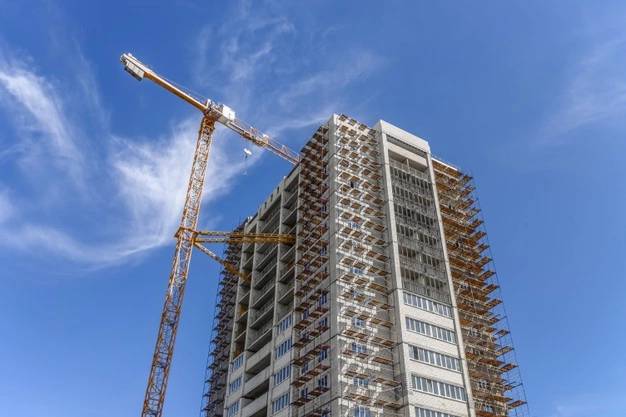
Buying an under-construction property has become one of the easiest ways to realise the dream of owning a home these days. This proposition in real estate comes with certain risks as well, the most common being delayed possession. Let’s have a look at the benefits and drawbacks associated with such properties.
Ready-to-move-in property
Due to the incessant delays in project deliveries in the last few years, home buyers have increasingly started preferring ready units. Let’s take a look at the advantages and disadvantages of the same.
Advantages
Under-Construction Property
Easier on the pocket: An under-construction property does not hurt a buyer’s pocket as much as a ready home does at the time of buying. If factors such as location, area, property type and builder are same, a ready-to-move house costs more than an under-construction one. The difference in pricing can vary from anywhere between 10 – 30 percent.
Higher returns: Buying an under-construction property usually yields a higher return on investment due an extended window period between the buying stage and delivery timeline. If you sell the property closer to possession, you stand a good chance of earning a healthy appreciation on your capital investment.
RERA Compliance: Any property with Occupation Certificate as on 1 May, 2017, is mandated to be registered under their States’ RERA. Under-construction properties, therefore, will necessarily come under the ambit of RERA and thus, become liable to comply to fair trade practices. Buyers can avail information regarding these properties on their respective State’s RERA website and even seek speedy grievance redressal by the Appellate Tribunal formed under RERA.
Ready-to-move-in Property
Immediate availability: One of the prime advantages of a ready unit is the absence of any waiting period. All you have to do is make the payment, go through all the documentation work and move in. This also saves you from the double burden of paying your rent and the EMIs, in case you are getting the home purchase financed.
You get what you see: Unlike an under-construction unit, in case of a ready unit, you actually get what you have paid for. As the unit is ready for you to inspect before you finalise the purchase, there is no risk of discrepancies with the promised layout, features, and amenities, among other important things.
Free from GST Implication: The recently implemented Goods and Services Tax (GST) levies a five percent tax on purchase of under-construction properties. Ready properties, however, are left out of the ambit of GST.
Disadvantages
Under-Construction Property
Higher risk: There is an element of risk involved when it comes to investing in an under-construction project. There have been cases when the builder has failed to deliver on time or in some severe cases, failed to deliver at all due to various reasons such as funding crunch, rise in the cost of construction materials and increase in lending rates, among others. It is, thus, imperative to do a detailed background check of the builder before investing in an under-construction project.
Discrepancy in the final product layout/features: One of the most common glitches associated with under-construction properties include the peril of not getting the promised product at the time of possession. Usual incongruities include lesser usable area than promised, changed layout and deficient amenities.
GST Implication: Purchasing an under-construction property will attract a tax incidence of five percent of the total cost of property. Stamp duty and registration charges will have to be paid separately, resulting in heavy expenditure on taxes. Affordable homes priced under Rs 45 lakh attract one percent GST of the total cost of property.
Tax Implications: Buyers usually finance their home purchase through loans, which are linked to certain tax benefits under section 24, 80EE and 80C of the Income Tax Act. The benefits under these sections are restricted to only ready-to-move-in properties, once the possession has been taken over by the buyer. The tax benefits on the interest paid during the construction of a property can be claimed in five equal instalments beginning from the year of possession.
However, there is a catch here. The tax exemption amounting up to Rs 2.5 lakh on the interest paid on a home loan for a self-occupied property is applicable if the construction gets completed and the homeowner shifts in the house within three years of availing the home loan. In case the construction does not get completed within three years, tax benefits amounting only up to Rs 30,000 can be claimed. These conditions are applicable only if the property occupied by the owner. In case, the owner decided to rent it out or leave it vacant (deemed let out), there is no restriction on the amount of interest deduction. As far as the tax exemption on the principle amount is considered, if the borrower ends up paying the entire sum before possession, there is no rule to claim back any reimbursement for the principle amount.
Since projects delays have become so very common these days, those who take home loans on under-construction properties risk losing out on the account of tax benefits.
With the uncertainties of Indian real estate, delay in the delivery of a project is quite common. Thus, with under-construction properties you have the risk of losing out on the tax benefits.
Ready-to-move-in Property
High Cost: One of the most obvious drawbacks of buying a ready-to-move unit is the higher cost as compared to an under-construction property. As mentioned above, the cost difference could be anywhere between Rs 20-30 per cent.
Quality of construction: In case of an under-construction property you have the option of evaluating the work progress and thus being aware of the quality of construction in terms of the materials used, strength of the foundations etc. However, in case of a ready unit, you cannot conduct any such checks.
Age of the property: Unlike an under-construction property, buying a ready unit might not always ensure you a brand new home. It might have been in up for sale for a long time. Hence, if it has not been maintained properly, it might start looking old.
Exclusion from RERA: Old ready units with Occupancy Certificate as on 1 May, 2016, are not mandated to be included under RERA. As a result, its promoters are not liable to make its information available on a public platform.
CAPITAL GAINS TAX
In case you plan to buy an under-construction property by selling off an already existing asset, the construction of that should complete within three years from the sale of the property. If the construction takes longer than three years, the Long Term Capital Gains (LTCG) from the sold property are taxed at 20 percent, coupled with the payment of cess and surcharge.
Income tax rules allow tax exemption on the capital gains from the sale of a property that has been held for more than two years ONLY if the amount is reinvested in a property within two years or if it is invested in a house purchased one year before the sale of the asset or used to construct a house within three years. In such a scenario, if the developer delays the possession, you will end up paying a huge amount as ‘capital gains tax’.
What is the basic legal due diligence that a property buyer must do, to safeguard one’s investment and ensure clear title to the property? We explain…
Property investments are highly capital intensive and any mistake made during the process, can cause a great deal of trouble for the buyer. This makes it imperative for a buyer to exercise due caution while examining the property documents.
Interestingly, land might be a physical asset but who it belongs to, cannot be merely proven by a claim of ownership – the same must be validated by several documents that prove the ownership status of the property.
With proper legal advice, scrutiny of documents and verification of relevant information pertaining to the property, the buyer can ensure that the investment brings peace of mind and a sense of security.
In this article, we talk at length about the documents a buyer has to seek and examine before he is ready to sign a deal.
1. Property documents checklist
It is a settled legal principle that a person cannot convey a better title, than what he himself has. As a first step, the buyer should undertake due diligence, to ascertain the existence of the title with the seller, the nature of the title and its marketability and the ability of the seller to convey clear and marketable title, free from encumbrance.
Documents, for a period of 30 years, if not more (and where documents are not available, for minimum period of 12 years), must be examined and the seller may be called upon to provide the following documents / information:
* Title documents of the property: Government order for grant, succession certificate, sale deed, gift deed, will, partition deed, etc., evidencing the transfer of title over the years, culminating in the vesting of property with the seller.
* Nature of title: Leasehold, freehold, or development right.
* In case of the seller claiming development rights to the property, the development agreement and power of attorney, executed by the owners in favour of the seller.
* All title documents being duly stamped and registered at the office of the jurisdictional sub-registrar of assurances. * Khata registered in the name of the seller.
* Information on pending or past litigation.
* Availability of original title documents with the seller.
2. Verify the identity of the seller
Similar to verifying the title to the property, the buyer should also ascertain the identity of the seller and any specific conditions, governing the ability of the seller to convey the property. The following instances may be noted for illustration:
* Residence status and nationality of the seller, in case of an individual and whether consents from government authorities are required for the sale.
* Identification of all owners, in case of properties held jointly.
Where the seller is a company, trust, partnership firm, society, etc. The constitution documents of the entity are necessary to * confirm its ability to own and transfer the property, besides ascertaining that the person executing and registering the sale deed is duly authorised.
* Orders from the competent court, permitting sale of the property and appointing a guardian, where the property is held by a minor or person of unsound mind.
* Documents that typically help you to ascertain the identity of the seller, include one’s Aadhaar number, PAN number, passport, income tax returns, salary certificates, etc.
3. Conversion and land-use permissions
With increasing urbanisation and merging of revenue lands with urban conglomerates, conversion of property for non-agricultural use assumes crucial significance, since several state laws restrict purchase of agricultural property by non-agriculturists. Secondly, the buyer must examine the Master Plan and satisfy that the property is developed in accordance with the zoning plan – such as residential, commercial, industrial, public/semi-public, parks and open spaces, etc. Where actual use is different from the notified zoning, obtaining orders from the Town Planning Authority permitting change of land use, is mandatory.
4. Construction approvals
For purchase of apartment or land with constructed building, the buyer should also scrutinise the building plan / layout plan sanctioned by the local municipal authorities, along with approvals issued by government, statutory and regulatory authorities, for providing infrastructure facilities, water, sewage, electricity, environmental clearance, fire safety approval, etc.
It is necessary to request the builder for copies of NOCs from different departments, such as the Pollution Board, Environment Department, Sewage Board and Traffic and Coordination Department, which forms the ‘intimation of disapproval’ or the first permit required for building construction.
5. Occupancy certificate
It is mandatory for the seller to obtain the occupancy certificate from the competent authority, prior to conveying the property. Use of the property, without obtaining occupancy, exposes the buyer to penalty under the applicable building bye-laws, besides the risk of demolition of the property.
6. Status of tax payment
Non-payment of property taxes constitute a charge on the property, affecting its marketability. So, the buyer must verify with the municipal authorities that the seller has not defaulted on payment of property taxes.
Do ask for the receipts of all utility bills from the seller. Please note here that once the property is transferred in your name, you will be liable to pay all pending dues against the property, utility or otherwise.
7. Encumbrance
Searches at the jurisdictional sub-registrar office or the official web portal of the Ministry of Corporate Affairs (if the seller is a company) will reveal information of any registered encumbrance on the property. By way of caution, the purchaser may also issue public notice in newspapers, prior to completing the transaction, calling for claims from interested third parties, if any.
8. Physical survey and access to the property
The buyer may undertake a physical survey and confirm the extent and measurement of the property. In the case of land, it is advisable to identify and demarcate the boundaries and access to the property and further, ascertain any other physical attributes that may impede enjoyment of the property.
9. Compliance under the Real Estate (Regulation and Development) Act, 2016 (RERA)
The RERA mandates that developers should register their projects with the authority constituted under the Act. A buyer, intending to buy a property in a project coming under the ambit of the RERA is advised to verify whether property has been registered with the authority. Information available on the official web portal of RERA for each state also provides details of any cases / complaints filed against the developer of the project and default by developer, if any and thus, provides useful insight into the credibility of the developer and the project and helps the buyer make an informed choice.
Buyers should take note of the fact that the law mandates that all real estate brokers should also be registered with the state RERA, in order to operate legally. Hence, hire a property broker, only after asking for his RERA registration. Also, note that agents need to get their RERA registrations renewed, periodically. Ensure that you are dealing with the right person. One of the biggest benefits of having a regulatory body is that it requires a standard process of operation and violators are penalised.
10. Documents required in case of loan outstanding
In case there is any loan outstanding on the property you are buying, it is crucial to perform due diligence and check some documents, before signing a deal. As a potential buyer, you can ask the seller to clear the outstanding home loan amount or a part of it, obtain the original property documents from the bank and get the property registered in your name, after which you can pay the remaining amount.
You can also apply for the transfer of the seller’s loan to your name, in case you are planning to take a loan for the property’s purchase. The bank will be responsible for the KYC, checking your eligibility and checking the seller’s file, before transferring the loan to your name. You must ask for a copy of the title documents and statements pertaining to the loan outstanding due from the bank, to ensure there is full disclosure.
It is advisable that the buyer requests for the closure of the loan and gets a ‘no dues certificate’ from the bank, before the purchase.
Risks of proceeding with a property purchase without due diligence
Unless you are absolutely certain of the credentials of the seller and his ownership over the asset is duly testified by documentary proof, a buyer should avoid getting into a deal, irrespective of how lucrative it might seem. Sometimes, people try to sell disputed properties at low prices. This prospect might seem attractive in the beginning but would eventually prove to be a major headache. Also, never engage with a seller who wants you to use unaccounted money to make the purchase in order to save taxes. This could also lead to a lot of future troubles.
* Some quick tips for buyers:
* Never agree to sign on the dotted line, without doing your own research.
* Even if an agent or a developer is recommended by people know to you, check their RERA ID and registration.
* Never agree to offer money in black, in lieu of tax discounts.
* Do not agree to buy/sell a property on someone else’s behalf.
Should I check the PoA?
PoA stands for Power of Attorney and this is a legal instrument that gives another person the authority to act as a legal owner, on behalf of the actual owner. If you are buying a property, make sure that you check these documents, to ascertain the rights of the PoA holder.
Do banks do due diligence on the buyer’s behalf?
If you are a prospective home buyer, who has submitted their documentation and papers with a bank and looking forward to your home loan being sanctioned, rest assured, your bank will do the due diligence. However, do not leave it to the bank altogether. The number of property-related cases that find their way into Indian courts every year, is a reminder that one must be careful throughout the home buying journey.
Documents to check before buying a resale flat
Prospective home buyers planning to purchase a resale property, should take note of certain things and rules to make an informed decision. Firstly, all the documents required during the primary sale of property are also required in the case of a resale property. If one is buying a flat in a housing complex, the original sale deed and society share of certificate are crucial documents to consider.
* The home buyer should check if the property has a sanctioned building plan from the local authority.
* The Completion Certificate (CC) or Occupancy Certificate (OC) issued by the local authorities on the completion of the project, prove that the property had been constructed as per the approved layout and building laws. The documents are need when applying for loans from a bank/ financial institution or for water/electricity connection.
* One should also ask for the possession certificate. The document is issued by the builder to the first owner and it is not re-issued in case of resale. However, the seller should hand over the same to the new buyer.
* One should ensure that the seller has cleared all dues pending to the society or against the house.
* Also, the encumbrance certificate is a vital document, which would prove that the property has no financial or legal liabilities. The certificate can be obtained from the registrar’s office where the property registration was done.
* When opting for a resale property, buyers should check the mutation deed and get a copy of previously registered agreements.
* If the property is mortgaged, an undertaking by the owner must be given to the bank, mentioning that he or she has agreed to give property documents to the buyer upon the home loan foreclosure. Upon transferring money to the seller’s account, the bank will release all the original property papers along with a no-objection certificate (NOC).
Importance of checking electricity bills while buying a property
Some of the simple documents such as the last few months’ electricity bills of the exiting owner of the property as well as the buyer will help in ascertaining the monetary position and also the ownership of the seller and buyer.
Importance of Khata Certificate and Extract while buying a property
A Khata is a document that acts as a proof that the property has been constructed according to local laws, authorised plans and regulations. It is important to check the validity and legal status while buying a property. Khata certificate is a must while registration of a new property as well as the transfer of property.
Importance of sale deed while buying a property
A sale deed is one of the most important documents which forms the basis of the legal proof for sale and the transfer of ownership of the property in question. The sale deed has detailed information of the property in question and such information is mutually decided by the buyer and the seller. The deed consists of details such as terms and conditions, the selling price of the property, etc.
What are the features of a sale deed that must be checked while buying a property?
1. A sale deed must be registered in the office of the sub-registrar in whose jurisdiction the property falls.
2. The sale deed must be registered within four months from its date of execution. It is one of the most important steps in buying a property.
3. If the sale deed is not registered in this time frame, a penalty will have to be paid otherwise, the deed registration would stand invalid.
4. The sale deed can also be called ‘Title Deed’ or ‘Mother Deed’ or ‘Conveyance Deed’.
5. For future selling of the property, the sale deed will again be the most important document.
6. The sale deed acts as documented proof of the ownership of the property. It must be carefully examined before buying property.
7. Before executing the sale deed, the buyer must check if the property in question has a clear title.
8. The seller of the property must settle all statutory payments such as electricity bills, water charges, property tax, society charges and maintenance charges before preparing the sale deed. Below is an example of a sale deed in India:




 Property Thane